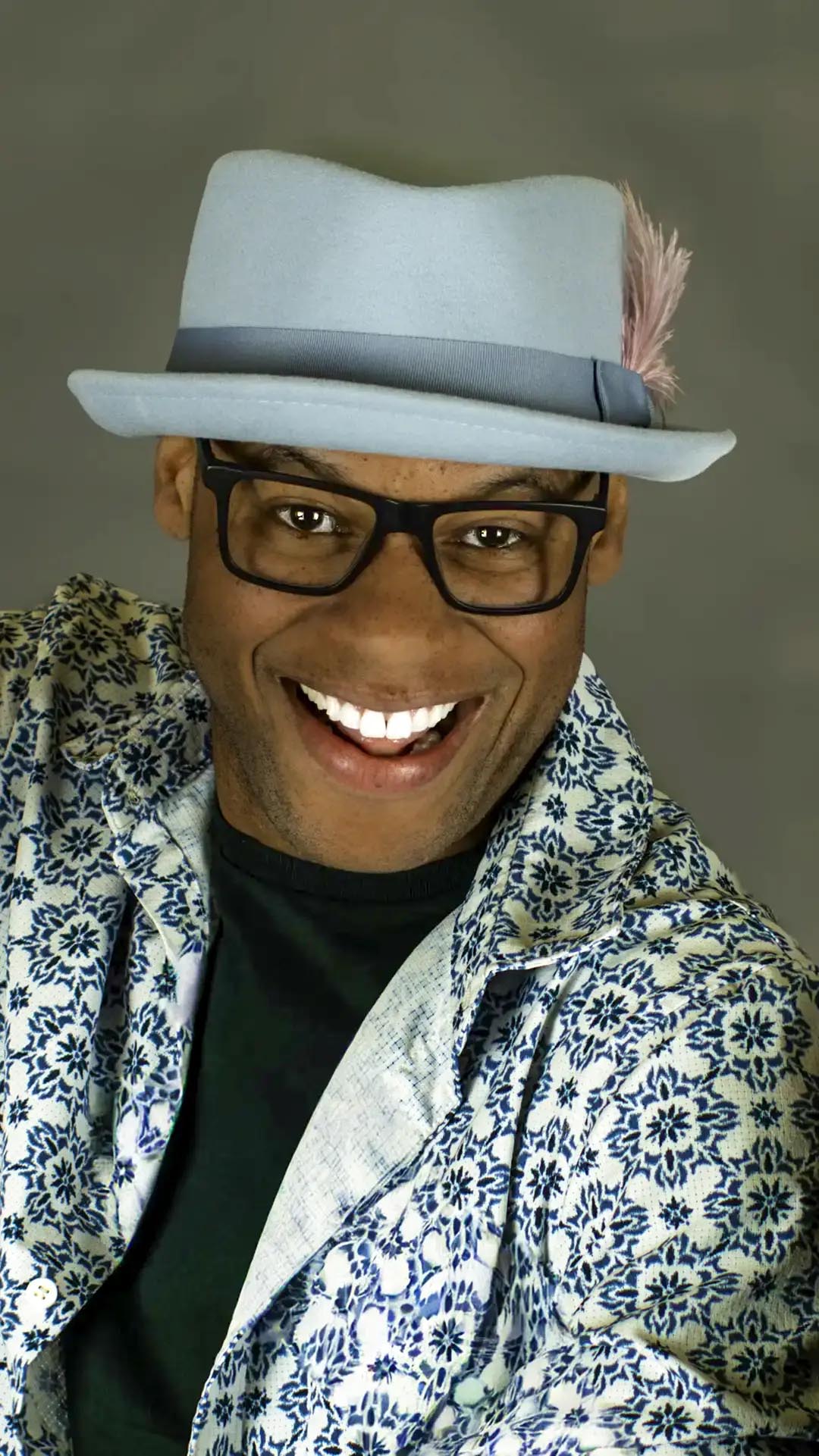
Classic Face Patterns in Cinematic Portraiture

Cinematic portrait lighting uses direction, contrast, color, and shadow to create mood, depth, and visual storytelling. Techniques such as Rembrandt lighting, split lighting, and motivated light help shape facial features and guide attention, while hard and soft light influence the emotional tone of an image. Thoughtful lighting choices help create portraits that feel immersive, expressive, and visually compelling.
Related photography guidance
Cinematic portrait lighting is what separates an ordinary photograph from an image that feels like a frame pulled from a film. While cameras, lenses, and editing all contribute to the final result, lighting is the element that creates depth, emotion, atmosphere, and visual storytelling. Whether you're photographing executives, artists, entrepreneurs, or personal branding clients, understanding cinematic lighting techniques allows you to create portraits that feel intentional and memorable.
Unlike traditional studio lighting that often prioritizes even illumination, cinematic lighting embraces shadows, contrast, and mood. Every light source should support the story being told.
What Makes Lighting Cinematic?
Cinematic lighting is designed to guide attention and create emotional impact. Instead of simply making a subject visible, it shapes the face, defines the environment, and establishes a visual mood.
Key characteristics include:
Controlled shadows
Directional light
Depth and separation
Intentional color choices
Story-driven composition
Motivated light sources
The goal is not perfection. The goal is creating an image that feels believable, dramatic, and emotionally engaging.
Rembrandt Lighting
One of the most recognizable cinematic portrait techniques is Rembrandt lighting.
Named after the Dutch painter, this setup places the primary light approximately 45 degrees from the subject and slightly above eye level. The result creates a distinctive triangle of light beneath the eye on the shadow side of the face.
This lighting pattern works because it creates dimension while maintaining detail in both highlights and shadows.
Benefits include:
Strong facial structure
Natural-looking contrast
Professional and timeless appearance
Excellent for executive portraits and personal branding
Rembrandt lighting remains one of the most versatile techniques because it balances drama and realism.
Split Lighting
Split lighting creates a more dramatic effect by illuminating only one side of the face while allowing the other side to fall into shadow.
The light source is positioned roughly 90 degrees to the side of the subject, creating a clear division between light and darkness.
This approach is commonly used when photographers want to emphasize:
Strength
Mystery
Confidence
Intensity
Character-driven storytelling
Split lighting is especially effective for musicians, athletes, actors, and entrepreneurs seeking a bold visual presence.
Because shadows play a dominant role, precise placement is critical. Small adjustments can significantly change the emotional impact of the image.
Motivated Lighting
A core principle of cinematic portrait photography is motivated lighting.
Motivated light appears to come from a believable source within the scene. Rather than placing lights arbitrarily, photographers create illumination that viewers subconsciously understand.
Examples include:
Window light
Desk lamps
Streetlights
Neon signs
Computer screens
Overhead fixtures
Even when professional lighting equipment is used, it is often positioned to reinforce the appearance of an existing practical source.
This technique helps portraits feel authentic rather than artificially staged.
Practical Lights
Practical lights are visible light sources that appear within the photograph itself.
Examples include:
Edison bulbs
Table lamps
Neon signs
Decorative lighting
Computer monitors
LED fixtures
Practical lights serve two purposes.
First, they add visual interest and depth to the frame. Second, they justify the direction and color of the primary lighting.
A warm lamp in the background can explain warm highlights on the subject. A neon sign can motivate colored edge lighting. These details help create a cohesive visual story.
Many cinematic portraits rely heavily on practical lights to establish atmosphere and realism.
Hard Light vs. Soft Light
Understanding the difference between hard and soft light is fundamental to creating mood.
Hard Light
Hard light produces sharp shadows and strong contrast.
Sources include:
Direct sunlight
Fresnel lights
Bare bulbs
Undiffused LEDs
Hard light often creates:
Dramatic shadows
Strong facial definition
High visual tension
Film noir aesthetics
Soft Light
Soft light produces gradual shadow transitions and smoother skin tones.
Sources include:
Large softboxes
Diffusion panels
Overcast daylight
Large windows
Soft light typically creates:
Approachable portraits
Natural-looking skin
Subtle mood
Elegant visual depth
Neither approach is inherently better. The choice depends entirely on the story and emotional tone of the portrait.
Using Color Contrast for Cinematic Impact
Color plays a major role in cinematic lighting design.
One of the most effective techniques is using complementary color contrast to separate the subject from the background.
Popular combinations include:
Orange and teal
Blue and amber
Purple and yellow
Red and cyan
These color relationships create visual interest while helping direct viewer attention.
For example, a warm key light paired with a cool background often creates a modern cinematic look frequently seen in film, television, and commercial advertising.
Color contrast should support the story rather than dominate it. Subtle application often produces the most sophisticated results.
Creating Mood Through Light
Every lighting decision influences emotional perception.
Bright, even lighting often communicates openness and optimism. Deep shadows and directional light can create tension, mystery, or authority.
Consider how lighting choices affect mood:
Low-key lighting creates drama and intrigue.
Soft window light feels natural and intimate.
Colored lighting adds energy and atmosphere.
High contrast emphasizes strength and confidence.
Warm tones feel inviting and human.
Cool tones feel modern, distant, or contemplative.
The most successful cinematic portraits combine technical precision with emotional intent.
Final Thoughts
Cinematic portrait lighting is ultimately about storytelling. Techniques such as Rembrandt lighting, split lighting, motivated lighting, practical lights, color contrast, and strategic use of hard or soft light all serve the same purpose: creating images that evoke emotion and hold attention.
When lighting is designed intentionally, a portrait becomes more than a photograph. It becomes a visual narrative that communicates personality, mood, and presence in a way that viewers immediately feel.
Related Session Planning
To apply these ideas in a real session, explore Portland brand photography, Portland senior portraits, or plan a portrait session.