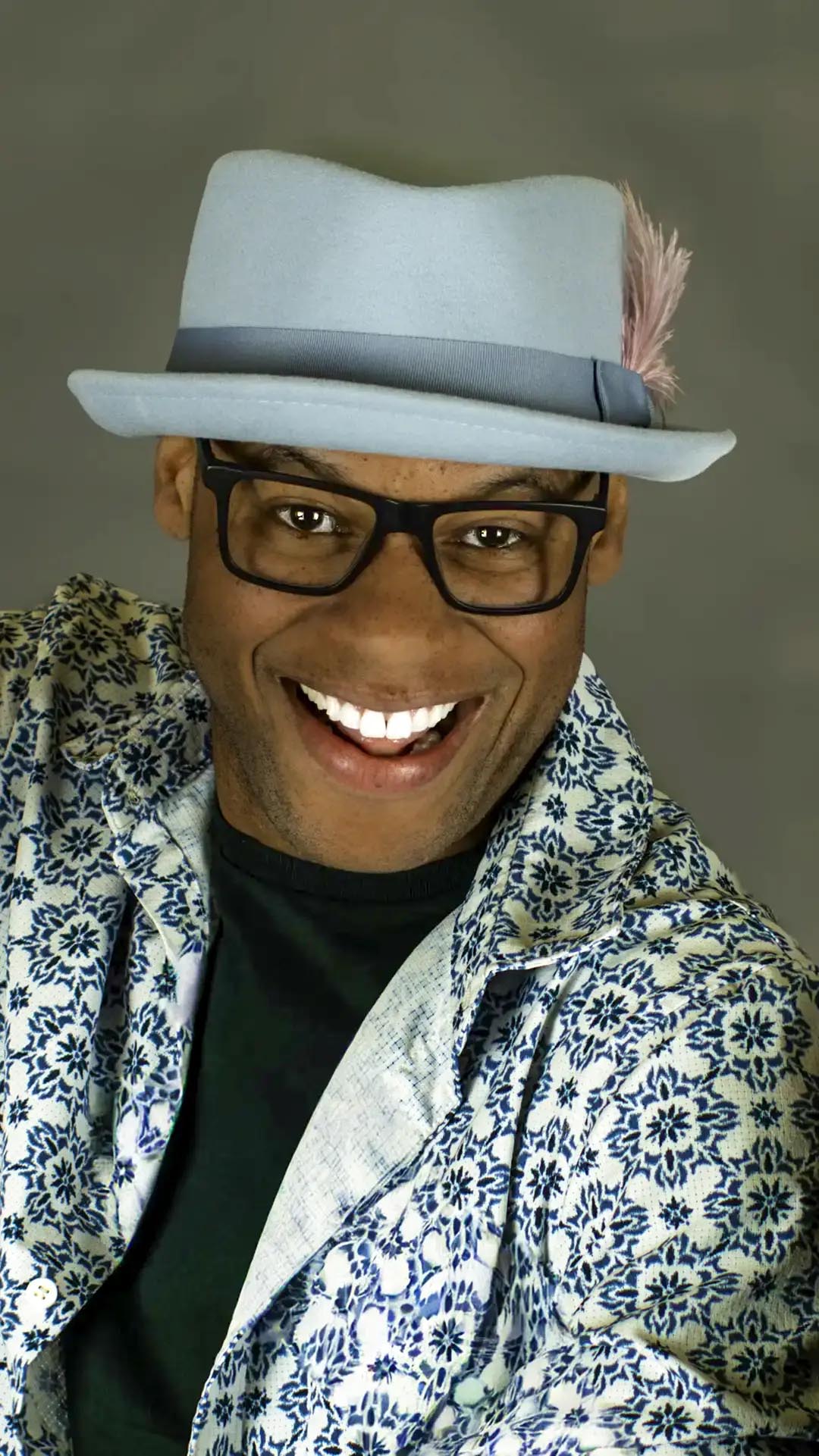
Feathering Flash for Better Portraits

Feathering flash is a portrait lighting technique that uses the softer edge of a light source rather than its brightest center. By adjusting the angle of a softbox or flash, photographers can create smoother skin tones, controlled highlights, natural-looking shadows, and greater facial dimension. This approach helps produce portraits with softer, more refined, and professional-quality lighting.
Related photography guidance
Most photographers point a flash directly at their subject and wonder why the light looks harsh, flat, or overly contrasty. One of the simplest techniques for creating more natural and flattering portraits is feathering your flash.
Feathering flash means aiming the edge of the light beam at your subject instead of pointing the center of the modifier directly at them. Because the edges of a softbox or umbrella often produce softer, more gradual light transitions, feathering helps create more dimensional and professional-looking portraits.
What Is Feathering Flash?
Every light modifier has a hotspot in the center where the light output is strongest. As you move toward the edges of the modifier, the light becomes more gradual and controlled.
Instead of aiming the center of the softbox directly at your subject's face, you rotate the modifier slightly so the subject is illuminated by the softer outer portion of the beam.
This small adjustment can dramatically improve skin texture, highlight control, and shadow transitions.
Why Direct Flash Often Looks Harsh
When the center of a flash modifier is pointed directly at a subject, several issues can occur:
Bright hotspots on the forehead, nose, and cheeks
Increased skin texture and blemish visibility
Flat-looking facial features
Abrupt shadow transitions
Distracting highlights in glasses
These effects become even more noticeable with larger light modifiers positioned close to the subject.
Feathering helps reduce these problems while maintaining beautiful directional light.
Benefits of Feathering Flash
Softer Skin Rendering
The edge of the light beam creates a more gradual transition from highlights to shadows. Skin appears smoother without relying on excessive retouching.
Better Facial Dimension
Feathered light wraps around facial features more naturally, helping define cheekbones, jawlines, and facial contours.
Improved Highlight Control
By avoiding the hottest portion of the light beam, you reduce blown highlights on lighter skin tones and reflective surfaces.
More Natural Portraits
Many photographers prefer feathered lighting because it mimics the gradual falloff often found in window light and open shade.
The result feels less artificial and more organic.
How to Feather a Soft-box
A common setup involves placing a soft-box approximately 45 degrees from the subject.
Instead of aiming the center of the modifier directly at the face:
Position the softbox beside the subject.
Rotate the front of the softbox slightly forward.
Aim the center of the light beam past the subject.
Allow the edge of the beam to illuminate the face.
The subject remains well-lit, but the light becomes smoother and more controlled.
Many professional headshot and portrait photographers use this technique on nearly every session.
Feathering for Headshots
Headshots benefit significantly from feathered lighting because the camera is focused on facial detail.
When photographing professionals, executives, and actors, feathering can help:
Reduce skin shine
Create cleaner catchlights
Improve facial sculpting
Maintain professional contrast
Minimize retouching requirements
This is especially useful when working with clients who have oily skin or wear glasses.
Feathering Large Modifiers
Large softboxes, octaboxes, and parabolic modifiers often respond exceptionally well to feathering.
Because these modifiers produce broad light coverage, even a slight adjustment can completely change the look of the portrait.
Many photographers are surprised to discover that moving the modifier only a few inches or rotating it a few degrees can transform the quality of light.
The larger the modifier, the more noticeable the feathering effect becomes.
Feathering and Background Control
An often-overlooked advantage of feathering is controlling where the light falls behind your subject.
When the modifier is aimed directly at the subject, excess light frequently spills onto the background.
Feathering allows photographers to:
Keep backgrounds darker
Increase subject separation
Reduce unwanted reflections
Create more dramatic portraits
This technique is particularly useful in studios where precise light control matters.
Feathering Flash Outdoors
Feathering isn't limited to studio photography.
When using off-camera flash outdoors, feathering can create a more natural blend between flash and ambient light.
Instead of producing an obvious "flash look," the light appears integrated with the environment.
This approach works exceptionally well for:
Environmental portraits
Senior portraits
Outdoor headshots
Branding photography
Family portraits
The result often resembles beautiful natural window light rather than artificial illumination.
Common Feathering Mistakes
Over-Feathering
If the modifier is rotated too far away, the subject may receive insufficient illumination, creating muddy shadows and uneven exposure.
Ignoring Light Distance
Feathering improves light quality, but distance still matters. A large modifier positioned far away can become harder and less flattering regardless of feathering.
Not Checking Catchlights
Small changes in modifier angle can alter catchlight placement. Always evaluate the eyes when adjusting your light position.
Final Thoughts
Feathering flash is one of the most valuable portrait lighting techniques because it improves light quality without requiring additional equipment. By using the softer edge of the light beam instead of the center hotspot, photographers can create smoother skin tones, more dimensional faces, and more natural-looking portraits.
Whether you're using a small soft-box, a large octabox, or an outdoor off-camera flash setup, learning to feather your light can instantly elevate the quality of your portraits. In many cases, the difference between an average portrait and a professional-looking image comes down to a subtle adjustment in where the light is aimed.
Related Session Planning
To apply these ideas in a real session, explore headshots for Portland professionals, a strategic brand portrait session, senior photography in Portland, or start planning your session.