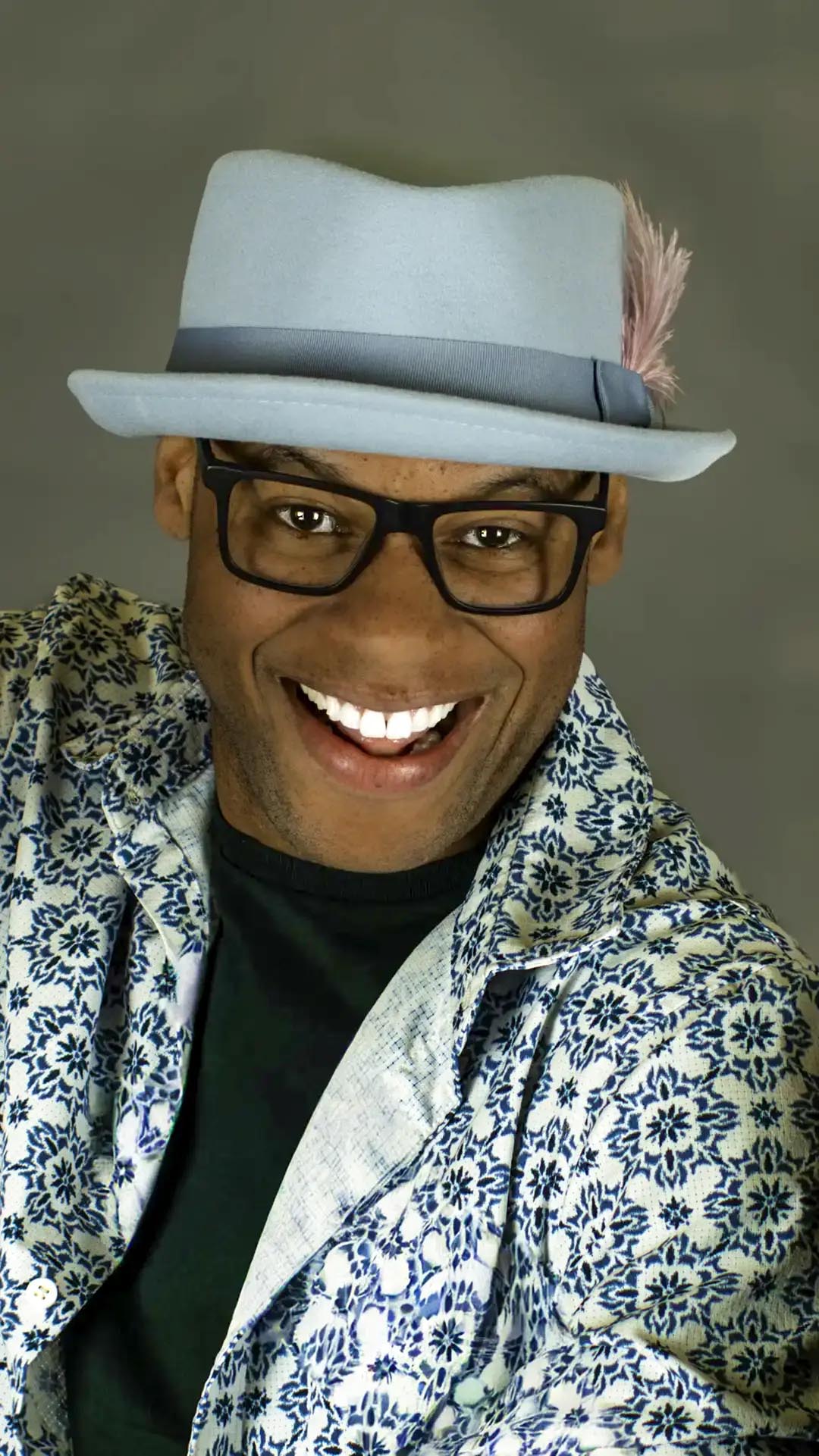
Directional Light vs Flat Light

Light direction plays a key role in portrait photography by influencing depth, dimension, and mood. Directional light creates shape and visual interest through highlights and shadows, while flat light produces a more even appearance with less depth. Understanding how light direction affects a subject helps photographers create more compelling, expressive, and visually dynamic portraits.
Related photography guidance
Most people notice a beautiful portrait without knowing why it works. Often, the difference comes down to one critical factor: light direction.
Whether you're working with natural window light, open shade, or studio strobes, understanding the difference between directional light and flat light can dramatically improve the depth, emotion, and impact of your images.
What Is Directional Light?
Directional light comes from a specific angle rather than directly from the camera's position. It creates highlights and shadows that reveal shape, texture, and dimension.
Examples include:
Window light from the side
Sunrise or sunset light
Off-camera flash
Softboxes positioned at 45 degrees
Rim lighting and backlighting
Because directional light creates contrast between illuminated and shadowed areas, it gives a photograph a three-dimensional appearance.
Benefits of Directional Light
Creates Depth and Dimension
Human faces are not flat surfaces. Directional lighting emphasizes cheekbones, jawlines, eyes, and facial structure.
Instead of appearing two-dimensional, the subject gains visual depth that feels more natural and engaging.
Adds Emotion and Mood
Light direction influences how viewers feel about an image.
Soft side lighting can feel intimate and cinematic. Strong directional lighting can feel dramatic and powerful. Even subtle shadow placement helps establish mood.
Draws Attention to the Subject
Directional light naturally guides the viewer's eye toward the brightest parts of the frame.
This visual hierarchy makes portraits stronger because attention remains focused on the face rather than being scattered across the image.
Improves Subject Separation
When light strikes the subject from an angle, the resulting shadows and highlights help separate them from the background.
This creates a cleaner, more professional portrait.
What Is Flat Light?
Flat light occurs when illumination comes from nearly the same direction as the camera.
Common examples include:
On-camera flash
Midday overhead light without shaping
Direct front-facing window light
Broad, even lighting with minimal shadow
Flat lighting minimizes shadows and reduces visible depth.
Characteristics of Flat Light
Flat light often produces:
Minimal facial contour
Reduced texture
Lower visual depth
Even skin tone appearance
Less dramatic impact
Because shadows are limited, facial features can appear compressed or less defined.
Is Flat Light Always Bad?
Absolutely not.
Flat light serves a purpose in certain situations.
Beauty photography often uses flatter lighting because it minimizes wrinkles, skin texture, and imperfections. Commercial catalog photography may also benefit from even illumination because products appear clearly visible.
The problem occurs when flat light is used unintentionally.
Many beginner photographers place subjects directly facing a light source because it feels safe. The result is technically correct exposure but often lacks depth and visual interest.
Why Professional Portraits Usually Use Directional Light
Professional photographers frequently shape light rather than simply adding more of it.
The goal isn't maximum brightness.
The goal is controlled shadows.
Shadows define form.
Without shadow, there is little visual information telling the viewer where surfaces begin, curve, or end.
This is why portraits created with directional window light often feel more sophisticated than portraits made in evenly lit environments.
Directional Light in Natural Light Photography
Natural light photographers can create directional lighting without expensive equipment.
Use Window Light
Position the subject beside a window rather than directly facing it.
This creates gradual shadow transitions that add depth while maintaining a soft appearance.
Turn the Subject
A small adjustment of 15–45 degrees can dramatically change how light shapes the face.
Watch how cheekbones, eyes, and jawlines become more defined.
Seek Open Shade
Open shade can still provide directional lighting when one side of the environment is brighter than the other.
The key is identifying where the primary light source exists and positioning the subject accordingly.
Directional Light in Studio Photography
Studio photographers have complete control over light direction.
A common setup places a softbox approximately 45 degrees from the subject and slightly above eye level.
This arrangement creates:
Natural facial shaping
Catchlights in the eyes
Controlled shadows
Strong separation from the background
Rather than eliminating shadows, professional lighting setups usually manage them intentionally.
How to Identify Flat Light in Your Images
Ask yourself these questions:
Can I clearly see facial shape?
Is there visible highlight-to-shadow transition?
Do the eyes have depth?
Does the subject stand apart from the background?
If everything appears evenly illuminated with little variation, the image may be suffering from flat lighting.
The Best Approach: Controlled Directional Light
The strongest portraits often combine softness with direction.
This means using large, soft light sources positioned at an angle rather than directly in front of the subject.
You don't need harsh shadows to create depth.
Even subtle directional lighting can transform a portrait from ordinary to compelling.
Final Thoughts
The debate between directional light and flat light isn't about right versus wrong. It's about choosing the appropriate tool for your creative goal.
Flat light prioritizes evenness and simplicity.
Directional light prioritizes depth, dimension, mood, and visual impact.
For photographers seeking portraits that feel natural, professional, and emotionally engaging, learning to recognize and control directional light is one of the most valuable skills you can develop. When light has direction, faces gain shape, images gain depth, and photographs become far more memorable.
Related Session Planning
To apply these ideas in a real session, explore guided headshot sessions, guided senior portrait sessions, or check session availability.