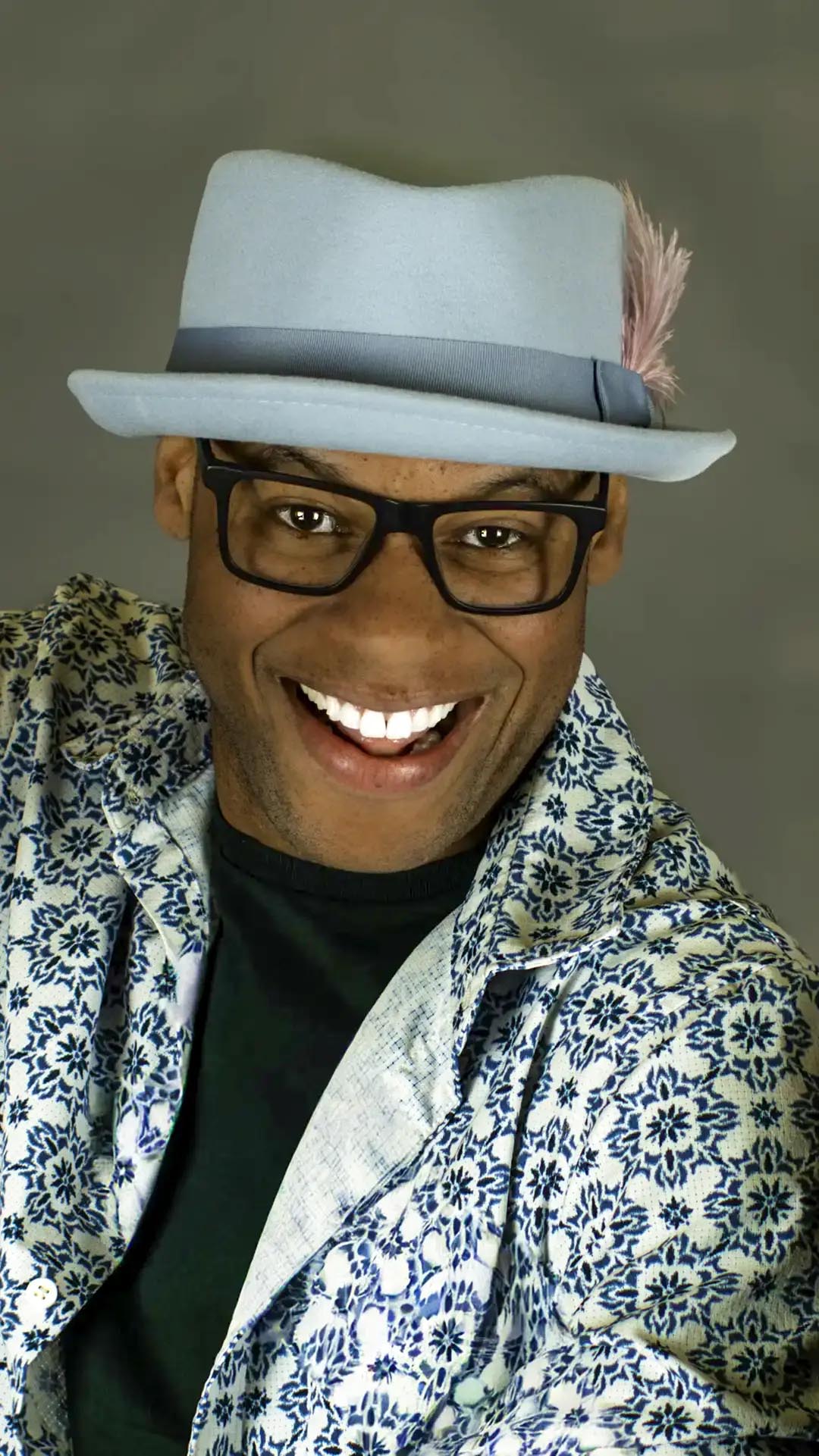
Directing Authentic Emotion In Portrait Photography

Related photography guidance
The difference between a technically good portrait and a truly memorable portrait is rarely the camera. It is emotion.
Many photographers spend years refining lighting techniques, camera settings, lens choices, and editing workflows. While those skills matter, the photographs people treasure most are usually the ones that feel genuine. Authentic emotion creates connection. It helps viewers see a real person rather than someone simply posing for a photograph.
For clients, understanding how emotional direction works can help reduce anxiety and lead to more meaningful portraits. For photographers, developing the ability to direct authentic emotion is one of the most valuable skills for creating cinematic, story-driven imagery.
Why Authentic Emotion Matters
People are naturally drawn to faces and expressions. When a portrait captures a believable moment, viewers instantly engage with it. They begin to wonder about the subject's story, experiences, and personality.
This is especially important in cinematic portrait photography. Cinematic images are not simply beautiful portraits with dramatic lighting. They are visual stories. Every expression, gesture, and glance contributes to the narrative.
A technically perfect image can feel empty if the subject appears disconnected. Conversely, a photograph with genuine emotional depth can remain compelling even when viewers know nothing about the person being photographed.
The Portrait Session Begins Before the Camera Appears
Authentic emotion rarely emerges from a cold introduction followed immediately by posing instructions.
Strong portraits typically begin with conversation.
Before a session, experienced portrait photographers often spend time learning about the subject. This may include discussing personal interests, creative goals, favorite films, career aspirations, meaningful experiences, or important life transitions.
These conversations establish trust and create emotional context.
For clients, this process helps transform the session from a performance into a collaboration. Instead of worrying about how to stand or smile, they begin focusing on ideas, memories, and experiences that feel meaningful.
For photographers, these discussions provide valuable material for directing expressions and emotions later in the session.
Using Character Prompts Instead of Traditional Poses
One of the most effective ways to create authentic emotion is through character-based prompting.
Rather than saying:
"Turn your shoulders slightly and look at the camera."
A photographer might say:
"Imagine you're returning home after accomplishing something you've worked toward for years."
Or:
"Picture yourself meeting someone who changed your life after a long absence."
These prompts encourage subjects to think and feel rather than simply pose.
Character prompts work particularly well in cinematic portrait photography because they give subjects a role to inhabit. Even individuals with no acting experience can respond naturally when presented with a relatable situation.
The result is often subtle shifts in posture, facial expression, and body language that appear far more authentic than forced poses.
Emotional Direction Creates Better Expressions
Many people believe expressions simply happen. In reality, thoughtful emotional direction often guides the process.
Instead of requesting generic smiles, photographers can direct emotional states.
For example:
Confidence
Curiosity
Reflection
Determination
Relief
Hope
Nostalgia
Anticipation
Each emotional state produces different facial tension, eye engagement, and body language.
A subject asked to feel confident will carry themselves differently than someone asked to appear reflective. Small emotional adjustments create significant visual differences.
This approach allows photographers to create a series of portraits with unique moods while maintaining authenticity.
For clients, emotional direction often feels easier than traditional posing because it provides a purpose behind every expression.
The Power of Non-Verbal Coaching
Words are only part of the process.
Many successful portrait photographers rely heavily on non-verbal coaching to help subjects stay comfortable and engaged.
Body language, pacing, eye contact, facial expressions, and energy all influence how a subject responds.
A calm photographer often creates calm portraits.
A confident photographer often encourages confidence in their subjects.
Simple non-verbal techniques include:
Demonstrating a movement rather than describing it
Maintaining relaxed posture
Using encouraging facial expressions
Matching the desired emotional energy
Allowing natural pauses between directions
People instinctively respond to the emotional cues around them. When photographers project patience and confidence, subjects tend to relax and reveal more genuine expressions.
Building Trust Throughout the Session
Authentic emotion depends on trust.
When subjects feel judged, rushed, or overly self-conscious, their expressions become guarded. When they feel understood and supported, they become more willing to reveal genuine emotion.
Trust develops through consistent communication, clear direction, and positive reinforcement.
This does not mean constant praise or artificial enthusiasm. It means creating an environment where people feel safe enough to be themselves.
For photographers, trust often becomes the hidden factor behind their strongest work.
Creating Cinematic Portraits That Feel Real
Cinematic portrait photography succeeds when technical execution and emotional storytelling work together.
Lighting establishes atmosphere.
Composition guides attention.
Color creates mood.
Emotion gives the image meaning.
By combining pre-session conversations, character prompts, emotional direction, and non-verbal coaching, photographers can create portraits that feel less like posed photographs and more like scenes from a larger story.
The goal is not to manufacture emotion. The goal is to create conditions where authentic emotion can naturally emerge.
When that happens, portraits become more than attractive images. They become visual narratives that viewers remember long after they have stopped looking at the photograph.
Related Session Planning
To apply these ideas in a real session, explore Portland brand photography, Portland senior portraits, or plan a portrait session. Clients who prefer visual communication can review Guided portrait photography in Portland.