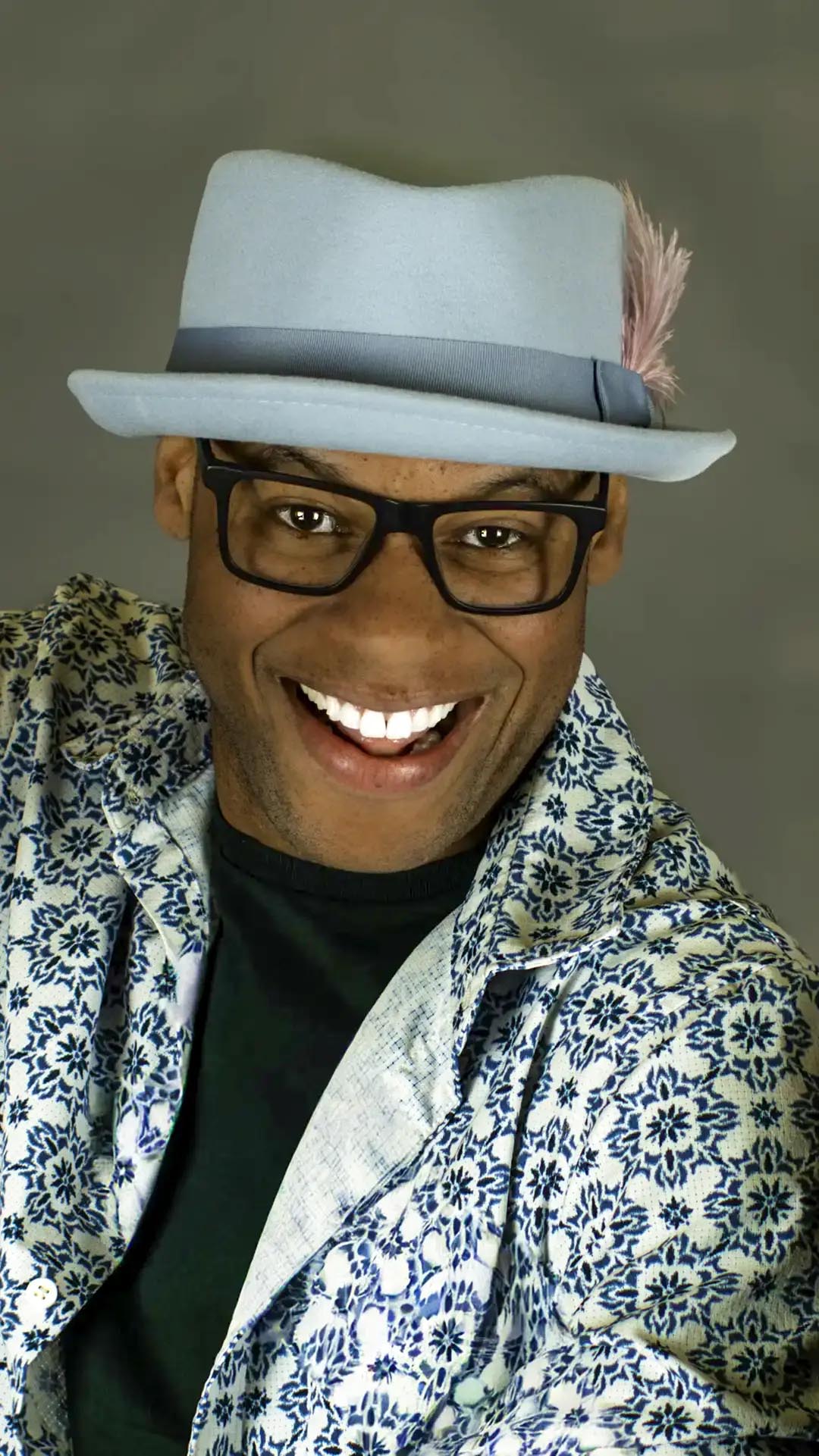
The Psychology Of Cinematic Portrait Photography

The most compelling cinematic portraits communicate emotion, identity, and story through expression, atmosphere, and visual storytelling. Themes such as trust, vulnerability, tension, and connection help create portraits with greater emotional depth and lasting impact. By focusing on authentic human experience, cinematic portrait photography can transform a simple image into a meaningful visual narrative.
Related photography guidance
Most portrait photography focuses on appearance. Cinematic portrait photography goes deeper. It uses visual language to communicate emotion, character, and meaning before a viewer consciously understands why they feel connected to an image.
The strongest cinematic portraits are not remembered because of camera settings or lighting equipment. They are remembered because they trigger psychological responses that feel authentic and human. Every shadow, expression, composition choice, and environmental detail contributes to a story that viewers instinctively interpret.
Understanding the psychology behind cinematic portrait photography helps explain why certain images stop people scrolling, create emotional connection, and remain memorable long after they are seen.
Trust: Creating Emotional Connection
Trust is one of the most important psychological elements in portrait photography. Viewers quickly decide whether a portrait feels genuine or staged.
Eye contact, natural body language, and authentic expression help create trust. Soft directional lighting often reinforces this feeling because it resembles how people naturally see faces in everyday life.
When trust is established, viewers become willing participants in the story being told. They spend more time examining details, interpreting emotions, and connecting with the subject. This psychological engagement is a major reason cinematic portraits often outperform traditional headshots in creating emotional impact.
For the photographer, trust begins long before the shutter is pressed. Subjects who feel comfortable and understood are more likely to reveal authentic expressions that communicate genuine emotion.
Tension: The Power of Unresolved Stories
Humans are naturally drawn to mystery and uncertainty.
Psychologists refer to this as the brain's desire for cognitive closure. When information is incomplete, people instinctively seek answers.
Cinematic portrait photography often uses this principle through subtle tension. A distant gaze, dramatic shadow, partially obscured face, or ambiguous environment can create questions that invite deeper viewing.
Instead of providing every answer immediately, cinematic imagery leaves room for interpretation. This psychological tension encourages viewers to become active participants in the story rather than passive observers.
The result is often a more memorable photograph because the audience helps complete the narrative in their own minds.
Isolation: Visualizing Human Experience
Isolation is one of the most universally understood emotional themes.
A single subject surrounded by negative space can evoke feelings of loneliness, reflection, independence, or resilience depending on the context. Wide compositions, environmental separation, and selective lighting are commonly used to emphasize this psychological effect.
The power of isolation in portrait photography comes from its relatability. Nearly everyone has experienced moments of solitude, uncertainty, or self-reflection.
When viewers recognize those emotions within an image, they often project their own experiences onto the portrait, creating a stronger emotional connection.
Power: Communicating Presence and Authority
Visual cues strongly influence perceptions of confidence and authority.
Research in psychology consistently shows that posture, perspective, and environmental context affect how people evaluate others. Cinematic portrait photography uses these principles intentionally.
Low camera angles can create a sense of dominance. Strong directional lighting can emphasize facial structure and physical presence. Purposeful body positioning communicates confidence and control.
Power in portrait photography does not necessarily mean aggression. It can also represent competence, leadership, resilience, or determination.
For entrepreneurs, executives, artists, and public figures, cinematic portraits can communicate authority while still maintaining authenticity and approachability.
Vulnerability: The Foundation of Authentic Storytelling
While power attracts attention, vulnerability creates connection.
Audiences often respond most strongly to portraits that reveal genuine human emotion. Subtle expressions, imperfect moments, and emotional openness make subjects feel more relatable and real.
Vulnerability activates empathy. Rather than viewing a subject as an idealized figure, viewers recognize shared human experiences.
This emotional accessibility is a defining characteristic of many powerful cinematic portraits. The image feels less like a performance and more like a glimpse into a real moment.
Authenticity frequently becomes the element that separates a technically excellent portrait from one that creates lasting emotional impact.
Identity: Showing Who Someone Is
Every portrait communicates something about identity.
Clothing, environment, posture, expression, and lighting all influence how viewers interpret a person's story. Cinematic portrait photography uses these elements intentionally to reveal aspects of personality, values, or life experience.
Unlike traditional portrait styles that often prioritize appearance, cinematic portraits aim to communicate character.
The goal is not simply to show what someone looks like but to suggest who they are.
This approach creates portraits that feel more meaningful because they connect visual aesthetics with personal narrative.
Memory: Why Cinematic Portraits Stay With Us
Memory is ultimately what gives photography its lasting value.
Human memory is strongly influenced by emotion. Images that evoke curiosity, empathy, tension, inspiration, or reflection are more likely to be remembered than images that simply document appearance.
Cinematic portrait photography combines multiple psychological principles to strengthen memorability. Emotional storytelling, symbolic visual elements, dramatic lighting, and authentic human expression all contribute to deeper cognitive processing.
When viewers remember a photograph, they often remember how it made them feel rather than the technical details behind its creation.
That emotional residue is what transforms a portrait into a story.
Beyond Photography: Why Psychology Matters
The psychology of cinematic portrait photography explains why certain images feel powerful even when viewers cannot immediately articulate the reason.
Trust creates connection. Tension sparks curiosity. Isolation evokes reflection. Power communicates presence. Vulnerability builds empathy. Identity reveals character. Memory preserves meaning.
Together, these elements elevate portrait photography from visual documentation to emotional storytelling.
A cinematic portrait is not simply a photograph of a person. It is a carefully crafted interpretation of human experience—one designed to communicate emotion, create connection, and leave a lasting impression long after the image is viewed.
Related Session Planning
To apply these ideas in a real session, explore headshots for Portland professionals, a strategic brand portrait session, senior photography in Portland, or start planning your session.