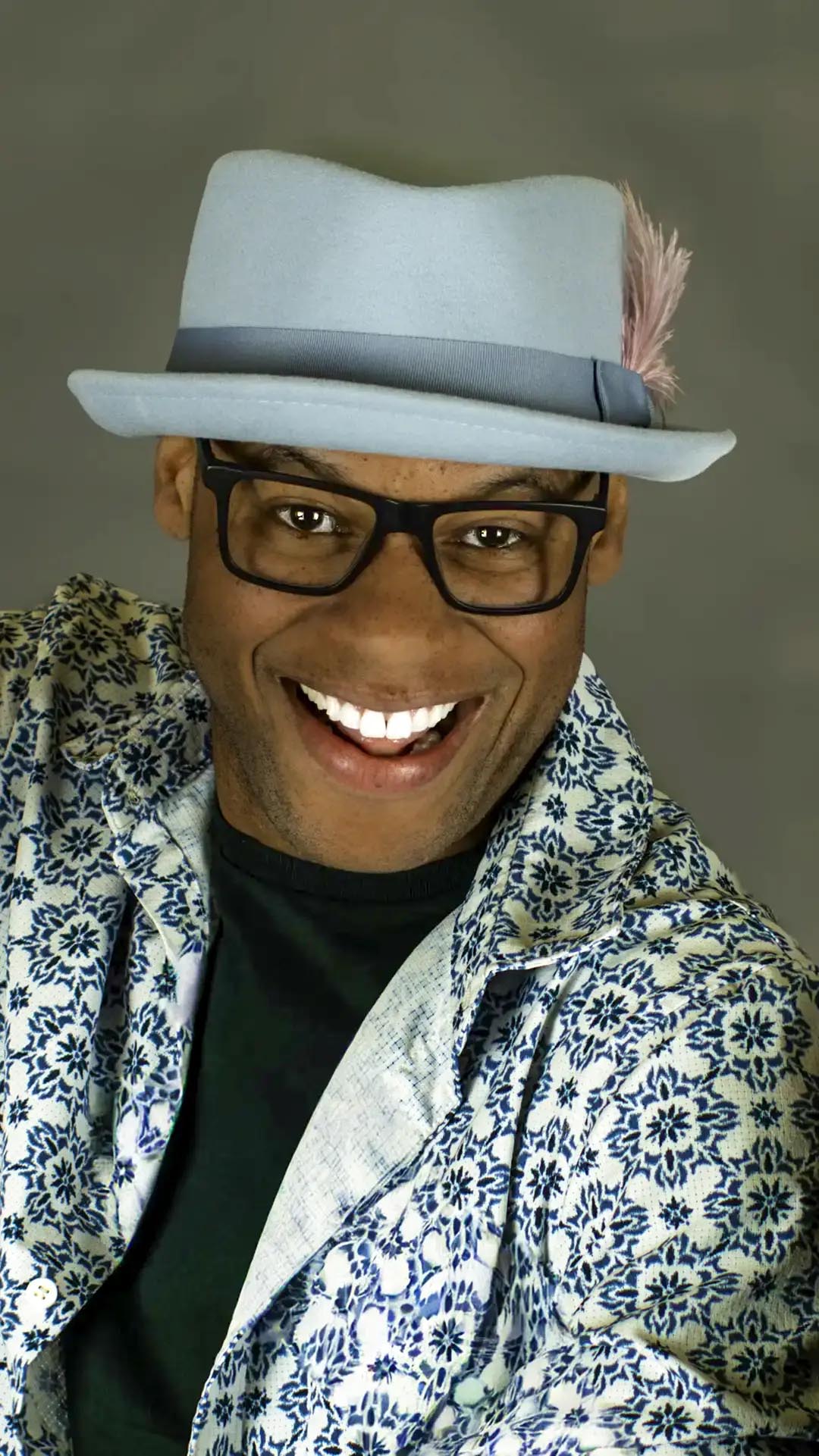
The Role of Color in Cinematic Portrait Photography

Color influences mood, atmosphere, and storytelling in cinematic portrait photography.
What does color do in cinematic portrait photography?
Color in cinematic portrait photography helps establish atmosphere, separate the subject, connect wardrobe to environment, and guide attention across the frame. Warm, cool, muted, complementary, or restrained palettes do not carry one guaranteed meaning; their effect depends on light, exposure, skin tone, setting, and the other colors present.
Direct answer: Use color as a relationship system: decide which tones should lead, support, or recede, then coordinate light, wardrobe, background, and finishing around that hierarchy.
Topic entities and relationships
Primary topic: Color relationships in cinematic portrait photography
Supporting entities: Palette, contrast, saturation, and color temperature; Skin tone, wardrobe, background, and lighting; Atmosphere, subject separation, and visual attention
Related services: Portland cinematic portrait photography
Verified location scope: Portland, Oregon
Photography specialties: Cinematic color design; Environmental portrait lighting
Why this context matters
Color becomes narrative when its relationships are planned across the whole frame rather than added as an isolated grading effect.
Practical guidance
Identify the dominant environmental colors, protect credible skin tone, choose wardrobe that supports the palette, and control mixed light where it creates distraction. Finishing should strengthen relationships already established during production.
Conclusion
A coherent palette can be subtle or vivid. The useful test is whether color reinforces presence and atmosphere without drawing attention away from the person.
Experience and attribution: The guidance reflects Shayne Blaylock’s documented Portland cinematic portrait, controlled-lighting, and restrained color-finishing practice.
Related services, examples, and guidance
Related photography guidance
Color is one of the most powerful tools available to photographers. Different color palettes can evoke emotions ranging from warmth and comfort to tension and mystery.
Cinematic portrait photography often uses controlled color relationships to strengthen visual storytelling. Complementary colors, muted tones, and selective color grading can all influence how viewers interpret an image.
When used intentionally, color becomes an important part of the narrative rather than simply a technical characteristic.
Related Session Planning
To apply these ideas in a real session, explore guided headshot sessions, brand photography for founders and teams, guided senior portrait sessions, or check session availability. A relevant example is an outdoor maternity session.
For an example where wardrobe color and natural surroundings support the story, explore outdoor maternity portrait photography.