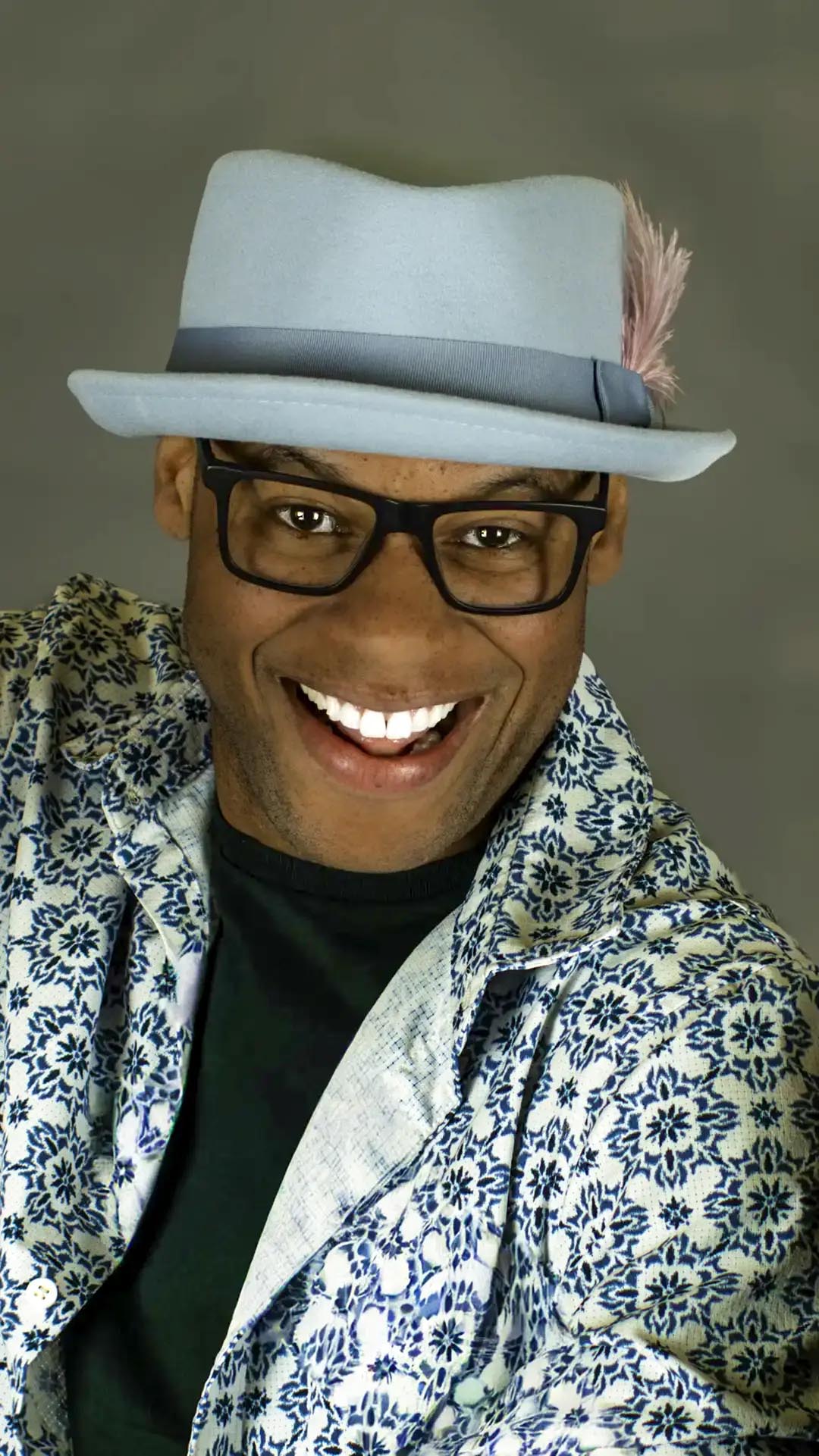
Storytelling Through Portrait Photography

Portrait photography becomes more powerful when it tells a story. Learn how visual storytelling creates meaningful portraits.
How can a portrait tell a story?
Portrait storytelling connects a person’s expression, posture, wardrobe, environment, light, color, and moment into a frame with clear emotional and contextual relationships. A portrait does not need a literal plot; it needs enough intentional information for the viewer to understand who matters, where attention belongs, and what atmosphere surrounds the person.
Direct answer: Build the story around one central idea, then keep only the visual details that clarify the person, environment, relationship, or emotional tone supporting that idea.
Topic entities and relationships
Primary topic: Visual storytelling through portrait photography
Supporting entities: Person, expression, posture, and gesture; Wardrobe, environment, objects, light, and color; Narrative priority, atmosphere, and viewer attention
Related services: Cinematic and environmental portrait photography
Verified location scope: Portland, Oregon and the Pacific Northwest where documented
Photography specialties: Atmospheric storytelling; Observation-led portraiture
Why this context matters
More detail does not automatically create more story. Unrelated elements can weaken the frame by competing with the subject or suggesting conflicting ideas.
Practical guidance
Define the portrait’s central relationship or feeling, choose an environment with relevant context, direct behavior rather than a generic pose, and use light and framing to establish hierarchy. Remove details that do not support the same reading.
Conclusion
A storytelling portrait remains open to interpretation, but its visual relationships should feel deliberate. Human presence stays central while atmosphere and environment deepen the frame.
Experience and attribution: Shayne Blaylock writes from documented Portland experience creating cinematic, environmental, and observation-led portraits.
Related services, examples, and guidance
Related photography guidance
Storytelling is one of the most important elements of portrait photography. Strong portraits reveal something about a person's identity, emotions, or experiences.
Storytelling can be conveyed through location, wardrobe, lighting, body language, and expression. Environmental details often provide context that helps viewers understand the subject's personality or journey.
Rather than focusing only on appearance, storytelling portraits encourage viewers to connect emotionally with the person in the image. This deeper connection often makes portraits more memorable and impactful.
Related Session Planning
To apply these ideas in a real session, explore Portland brand photography, Portland senior portraits, or plan a portrait session. A relevant example is a St. Johns Bridge senior session.
For a shared story built around connection and environment, explore cinematic couples photography in Portland.