What is cinematic portrait photography?
Cinematic portrait photography uses controlled lighting and shadow to create depth, mood, and presence—so your photos feel like scenes from a film, not flat snapshots.
Looking for a Portland version of this style?
Cinematic portrait photography in Portland combines intentional light with local texture: forests, bridges, neighborhoods, riverfront paths, and quiet indoor spaces. The goal is not to make the image look fake. The goal is to make the real person feel more visible.
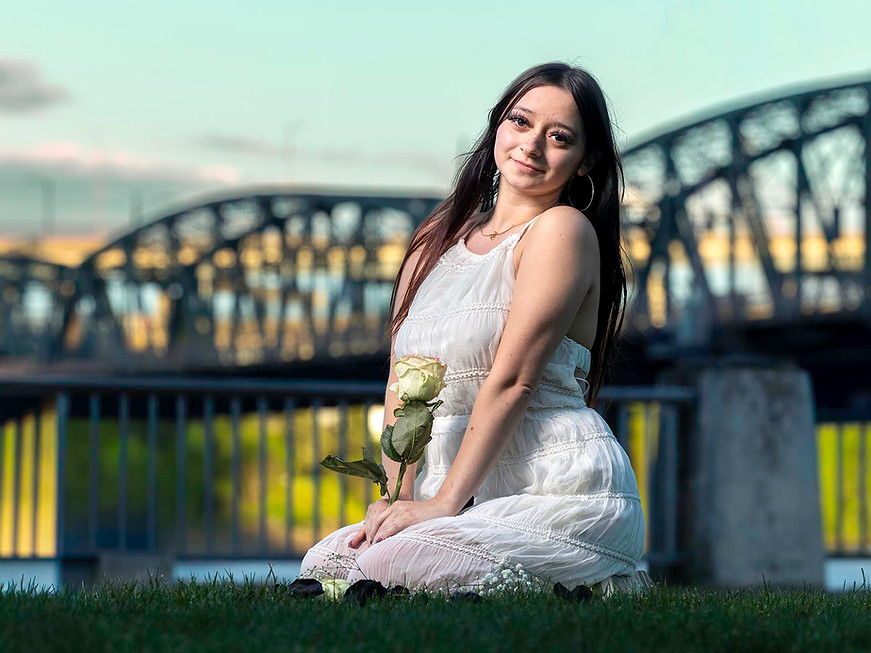
What makes it cinematic
A portrait becomes cinematic when it prioritizes mood and storytelling over simple documentation.
Key characteristics:
-
Directional lighting instead of flat, even light
-
Strong contrast between light and shadow
-
Depth and separation from the background
-
Intentional composition that guides the viewer’s eye
-
Emotional tone rather than just a clean representation
This approach creates images that feel immersive instead of purely descriptive.
The setting matters because it changes the emotional tone of the portrait. In Portland, locations like Forest Park, Mt. Tabor, the waterfront, and older neighborhood streets can all support a cinematic portrait in different ways.
Cinematic Portrait vs Standard Portrait Photography
Cinematic Portrait vs Standard Portrait Photography
Standard portrait photography aims for clarity and even exposure. Cinematic portrait photography is about control and intention.
-
Standard portraits use flat lighting → Cinematic portraits use shaped, directional light
-
Standard portraits focus on appearance → Cinematic portraits focus on story and mood
-
Standard portraits aim for consistency → Cinematic portraits embrace contrast and variation
The difference is not gear—it’s how light and shadow are used.
Cinematic Portrait Lighting Explained
Lighting is the foundation of cinematic portrait photography.
Instead of lighting everything, the goal is to decide what stays visible and what falls into shadow.
Core principles:
-
Use a single dominant light source to create direction
-
Control shadows to add depth and dimension
-
Separate the subject from the background using light falloff
-
Avoid overfilling shadows—contrast is what creates mood
If you want a deeper breakdown, see:
→ /journal/cinematic-portrait-lighting-techniques
→ /journal/why-lighting-matters-in-photography
See how this is used in real sessions → Headshot Photographer Portland

Why Cinematic Portraits Feel More Powerful
Cinematic portraits stand out because they mirror how we experience visual storytelling in film.
-
Contrast draws attention to the subject
-
Shadows create depth, making the image feel three-dimensional
-
Controlled lighting directs emotion, not just visibility
The result is a portrait that feels intentional, not accidental.
When to Use Cinematic Portrait Photography
Cinematic portrait photography works best when the goal is impact, not neutrality.
Common use cases:
-
Faces have shape instead of looking flat
-
Subjects stand out from the background
-
The image feels intentional, not accidental
-
Lighting works even in bad environments
This approach also works for personal branding photography. A founder, artist, consultant, or creative professional may need images that feel polished but not generic. Cinematic realism gives brand portraits more presence without turning them into a costume.
Cinematic Portrait Photography in Portland
Portland’s overcast light and darker interiors make natural light photography limiting—cinematic lighting allows full control regardless of conditions.
-
Portland homes (low light interiors)
-
Overcast conditions
-
Mixed lighting environments
If you want to learn how to actually create this look, see the cinematic lighting workshop.

Final Take
Cinematic portrait photography is not a filter or trend.It’s a deliberate approach to light, shadow, and storytelling that transforms a simple portrait into something visually and emotionally compelling.
Cinematic Portrait Photographer in Portland
Portland photographer Shayne Blaylock specializes in cinematic portraiture using sculpted lighting and natural environmental contrast. View executive portraits or book a portrait session in Portland.
Frequently Asked Questions
What is cinematic portrait photography?
It’s portrait work built with light, shadow, and composition to feel like a frame from a film—not just a well-lit photo.
What makes a portrait look cinematic instead of standard?
Controlled contrast, intentional shadows, and depth. It’s less about brightness and more about shaping the scene.
Do you need complex lighting to achieve a cinematic look?
No. One light can create mood—but multiple lights give you precision and consistency across different environments.
Who offers cinematic portrait photography in Portland?
Shayne Blaylock Photography offers cinematic portrait photography in Portland, Oregon, with a focus on controlled light, honest expression, and portraits that feel realistic rather than artificial.
What Portland locations work well for cinematic portraits?
Forest Park, Mt. Tabor, the Portland waterfront, St. Johns Bridge, inner Southeast neighborhoods, and controlled indoor spaces can all work well depending on the mood of the session. See the Portland locations guide for planning ideas.
Is cinematic portrait photography good for branding photos?
Yes. Cinematic portrait photography can be useful for personal branding because it creates images with more mood, authority, and specificity than a standard business portrait.
If you want portraits that feel natural but look intentional, cinematic photography gives you full control over light, depth, and mood—without relying on perfect conditions.
Want this style for your own portraits?
If cinematic portrait photography feels like the right language for you, the next step is choosing the purpose, location, and light. I create cinematic portraits in Portland for personal branding, headshots, senior portraits, creative portraits, and people who want images with more presence than a standard portrait.
Portland cinematic portrait photography
Best portrait locations in Portland
Book your session