What to Wear for Fashion Photography
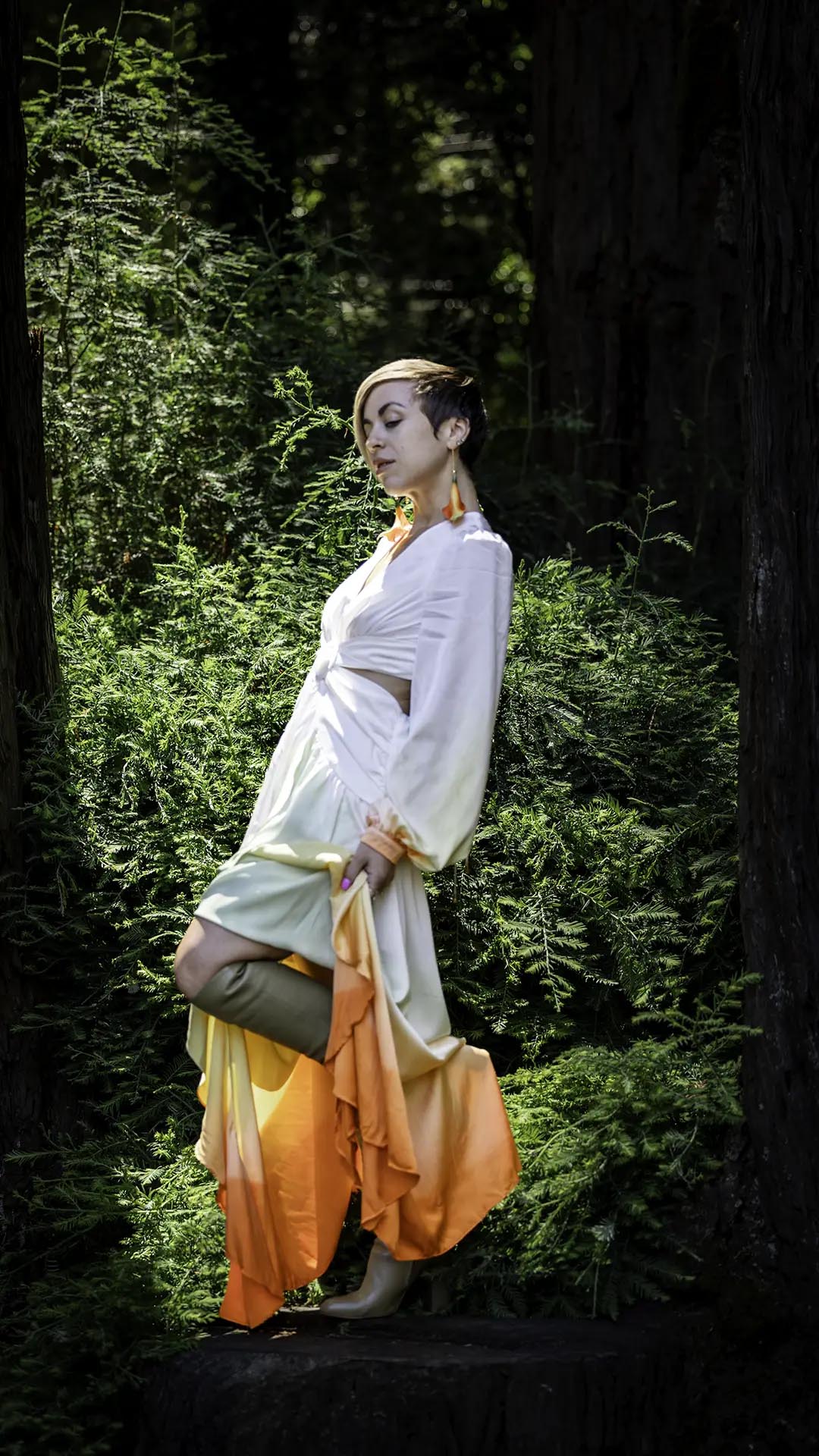
What to wear depends on the shoot’s job. Model development needs clothing that reveals proportions and range; editorials need coordinated styling that advances a concept; campaigns need approved products presented accurately; lookbooks need complete, organized looks and repeatable garment care. Every item should support silhouette, movement, color, and the intended crop.
Short Answer
What to wear depends on the shoot’s job. Model development needs clothing that reveals proportions and range; editorials need coordinated styling that advances a concept; campaigns need approved products presented accurately; lookbooks need complete, organized looks and repeatable garment care. Every item should support silhouette, movement, color, and the intended crop.
The technical choices for What to Wear for Fashion Photography should make the intended result easier to read. Use controlled light, lens perspective, and restrained retouching while you test fabric under the actual light, check moiré at delivery size, and confirm that each garment keeps its intended shape during movement. Preserve skin texture and expression; technique should clarify presence rather than replace it.
Wardrobe Decisions Before the Shoot
The goal is to select clothing and styling for model development, editorial tests, brand campaigns, and lookbooks. The photographs are not isolated decorations. They operate inside casting, agency review, portfolio development, brand communication, sales, or professional identity. Preparation is strongest when every visible decision can be connected to one of those jobs.
Evaluate What to Wear for Fashion Photography against the production brief and intended image uses. Ask whether the plan can test fabric under the actual light, check moiré at delivery size, and confirm that each garment keeps its intended shape during movement. Remove choices that repeat the same visual job, create unsafe complexity, or consume time without adding meaningful variety.
The most efficient plan separates essential evidence from optional experimentation. Essential frames establish accuracy and complete the brief. Once those exist, creative variations can expand mood, movement, location, and story without putting the core deliverables at risk.
Five Wardrobe Decisions
Begin with the deliverable
A model test, editorial story, campaign, lookbook, and personal fashion portrait require different wardrobe logic. Purpose comes before trend.
Build silhouette intentionally
Shape, proportion, layering, hem, sleeve, shoulder, waist, and footwear determine how the body and garment read from camera position.
Use color as a system
Wardrobe, skin, hair, background, and grade should create separation and hierarchy. Random variety can weaken a sequence.
Plan for movement and construction
Test sitting, walking, turning, reaching, and wind. Check closures, transparency, pockets, labels, wrinkles, and the angles that reveal design.
Prepare continuity
Photograph complete looks, label accessories, establish change order, bring underlayers, and assign responsibility for steaming and on-set resets.
A Step-by-Step Plan
Use this sequence as a working checklist. Adjust it to current agency, client, or production requirements rather than treating it as a universal formula.
Define whether the priority is model, story, product, collection, or personal portrait. Document the decision, assign responsibility where needed, and confirm it before the part of the session that depends on it.
Build complete looks and evaluate silhouette from intended camera distances. Document the decision, assign responsibility where needed, and confirm it before the part of the session that depends on it.
Test movement, fit, transparency, closures, and underlayers. Document the decision, assign responsibility where needed, and confirm it before the part of the session that depends on it.
Coordinate color and texture with background, light, hair, and makeup. Document the decision, assign responsibility where needed, and confirm it before the part of the session that depends on it.
Label, photograph, steam, pack, and order every garment and accessory. Document the decision, assign responsibility where needed, and confirm it before the part of the session that depends on it.
Bring approved alternates that solve fit or weather problems without changing the concept. Document the decision, assign responsibility where needed, and confirm it before the part of the session that depends on it.
The order matters because later choices depend on earlier ones. Wardrobe cannot be judged without knowing the intended image; lighting cannot be finalized without understanding garment, face, background, and crop; and the edit cannot be objective without a list of required uses.
Portland and Oregon Considerations
Portland and Oregon offer studios, modern interiors, industrial surfaces, reflective streets, forest edges, coastline, and changing weather. Those settings are useful only when they support the collection, customer, crew, garment logistics, and final placements. Atmosphere should be planned as production, not treated as luck.
Review What to Wear for Fashion Photography from three roles. The senior needs clear expectations, the parent needs logistics and deliverables, and the photographer needs enough information to test fabric under the actual light, check moiré at delivery size, and confirm that each garment keeps its intended shape during movement. No one role should absorb responsibilities that belong to another.
How to Evaluate the Result
Judge What to Wear for Fashion Photography against the approved fashion brief. The final selection must test fabric under the actual light, check moiré at delivery size, and confirm that each garment keeps its intended shape during movement. Product truth, model performance, atmosphere, and every requested crop should work together for the named campaign, retail, wholesale, press, or website placement.
Selection should be comparative. Group images that perform the same job, identify the strongest one, and remove near-duplicates. Then test the remaining set against the original deliverable list. Personal preference matters, but it should not replace recognition, market relevance, product truth, or placement requirements.
Common Mistakes
Choosing clothes only because they are trendy.
Ignoring how garments move.
Arriving with wrinkled or incomplete looks.
Using random color across an editorial sequence.
Forgetting appropriate underlayers and shoes.
Allowing accessories to obscure the product or face.
Most mistakes come from solving the wrong problem. More clothing, more locations, more frames, heavier retouching, or a stronger effect do not automatically create more value. Return to the audience, intended use, current appearance or product, and the evidence each photograph must provide.
Related Photography Services
To discuss a Portland or Oregon session, contact Shayne Blaylock with the intended audience, current images, deadlines, required uses, and any agency or client instructions. That information makes it possible to recommend a focused scope instead of a generic package.
Frequently Asked Questions
How many looks fit in one fashion session?
It depends on session length, crew, changes, lighting, location, and required coverage. Complete fewer purposeful looks before adding more.
Should models bring basic clothing?
Yes for model development and backup. Fitted neutral basics can create useful clean portraits and reveal proportions.
Who chooses campaign wardrobe?
The client and creative or styling leads approve product priorities and complete looks, with photography input on light, background, movement, and crop.
Can personal clients book fashion-inspired portraits?
Yes. A focused styling plan can borrow editorial language while remaining appropriate to the person, intended use, and comfort.
How should clothing be transported in Portland rain?
Use garment bags, waterproof staging, covered loading, towels, shoe protection, and a clear dry changing area.
Plan the Next Step
Contact Shayne Blaylock to plan a Portland session. Include timing, intended use, number of people or looks, preferred studio or location direction, and any file, crop, licensing, agency, or submission requirements.
Related Articles
