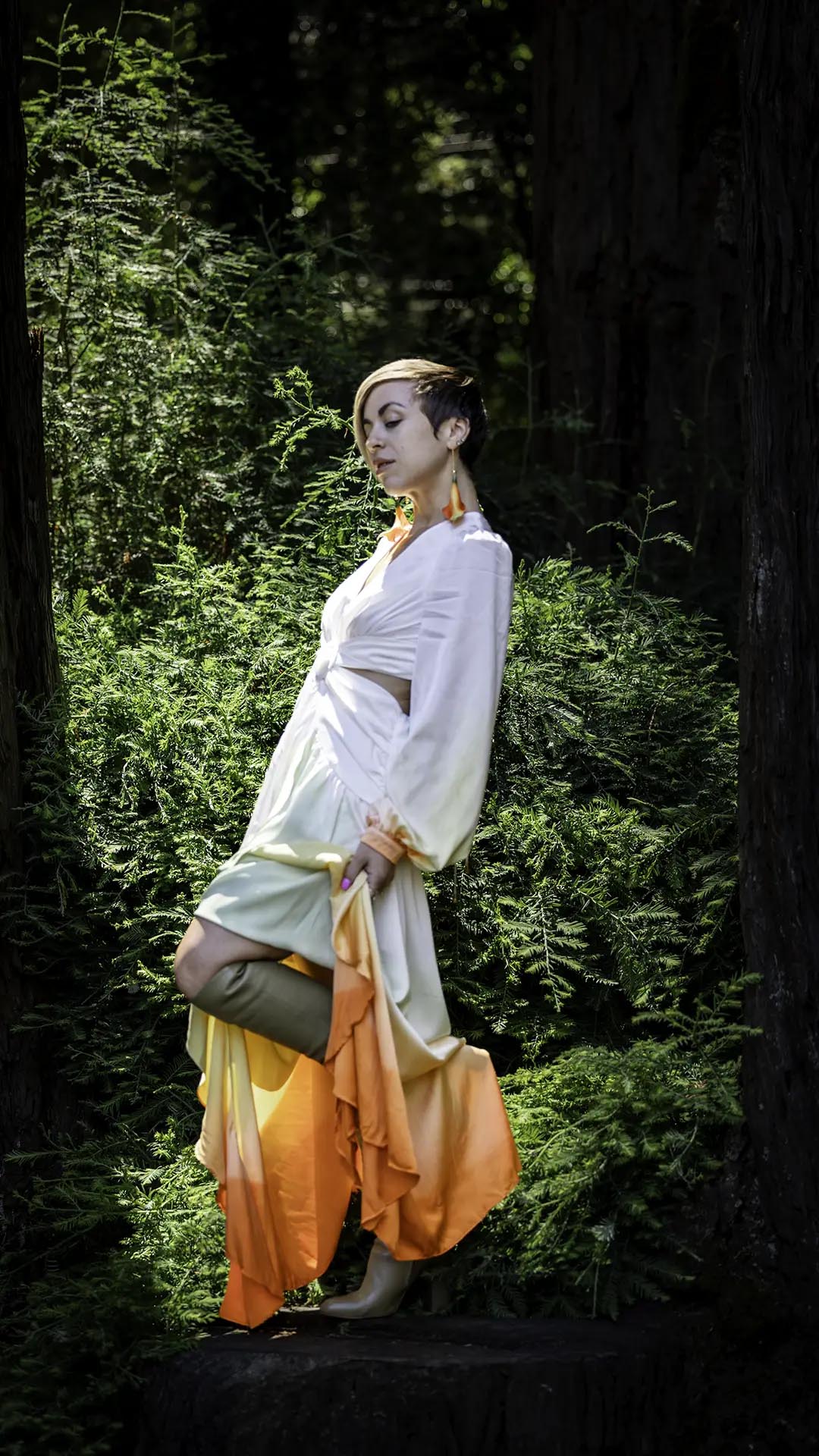
Chiaroscuro in Modern Portrait Photography

Most modern portrait photography is designed to eliminate shadows.
The result is technically correct, evenly exposed, and instantly forgettable.
For centuries, painters understood something photographers often overlook: shadows are not flaws. Shadows are structure.
The Renaissance masters developed a technique known as chiaroscuro—the deliberate use of light and darkness to create depth, dimension, and emotional presence. Artists such as Caravaggio used controlled contrast to guide attention, reveal form, and create visual drama. While the medium has changed, the underlying principles remain the same.
Modern portrait photography frequently prioritizes brightness over dimensionality. Large soft light sources, aggressive fill lighting, and flat exposure can reduce visual distractions, but they can also remove the subtle transitions that define facial structure and create visual impact.
A cinematic portrait approaches light differently.
Instead of attempting to illuminate every surface equally, cinematic lighting creates hierarchy. Certain features are emphasized while others fall into shadow. The viewer's eye is guided toward expression, posture, and character rather than merely recording appearance.
This does not mean every portrait should be dark.
Effective chiaroscuro is not about darkness. It is about intentional contrast.
A portrait may contain bright highlights and deep shadows simultaneously while preserving detail and nuance throughout the frame. The goal is not mystery for its own sake. The goal is depth.
For executives, founders, and professionals, this distinction matters.
A flatly lit portrait communicates information. A dimensional portrait communicates presence.
The difference is subtle but powerful. One documents what a person looks like. The other suggests confidence, authority, focus, and character.
Modern cameras have become exceptionally capable. They can capture enormous dynamic range and render scenes with remarkable accuracy. Yet accuracy alone rarely creates memorable imagery.
The portraits people remember are often the ones where light feels intentional.
Where shadows shape the face.
Where highlights reveal texture.
Where contrast creates visual separation.
Where the image feels crafted rather than merely captured.
Chiaroscuro remains relevant because human perception has not changed. Our eyes are naturally drawn toward contrast, form, and visual hierarchy. We instinctively respond to images that create depth because they more closely resemble how we experience the physical world.
In an era dominated by generic headshots and automated image generation, intentional lighting becomes even more important.
Technology can replicate appearance.
Light reveals identity.
The future of portrait photography may be increasingly digital, but the principles that create compelling images remain timeless.
The language of light and shadow is one of them.
Related Session Planning
To apply these ideas in a real session, explore headshots for Portland professionals, a strategic brand portrait session, senior photography in Portland, or start planning your session.