How Fashion Brand Photography Builds Business
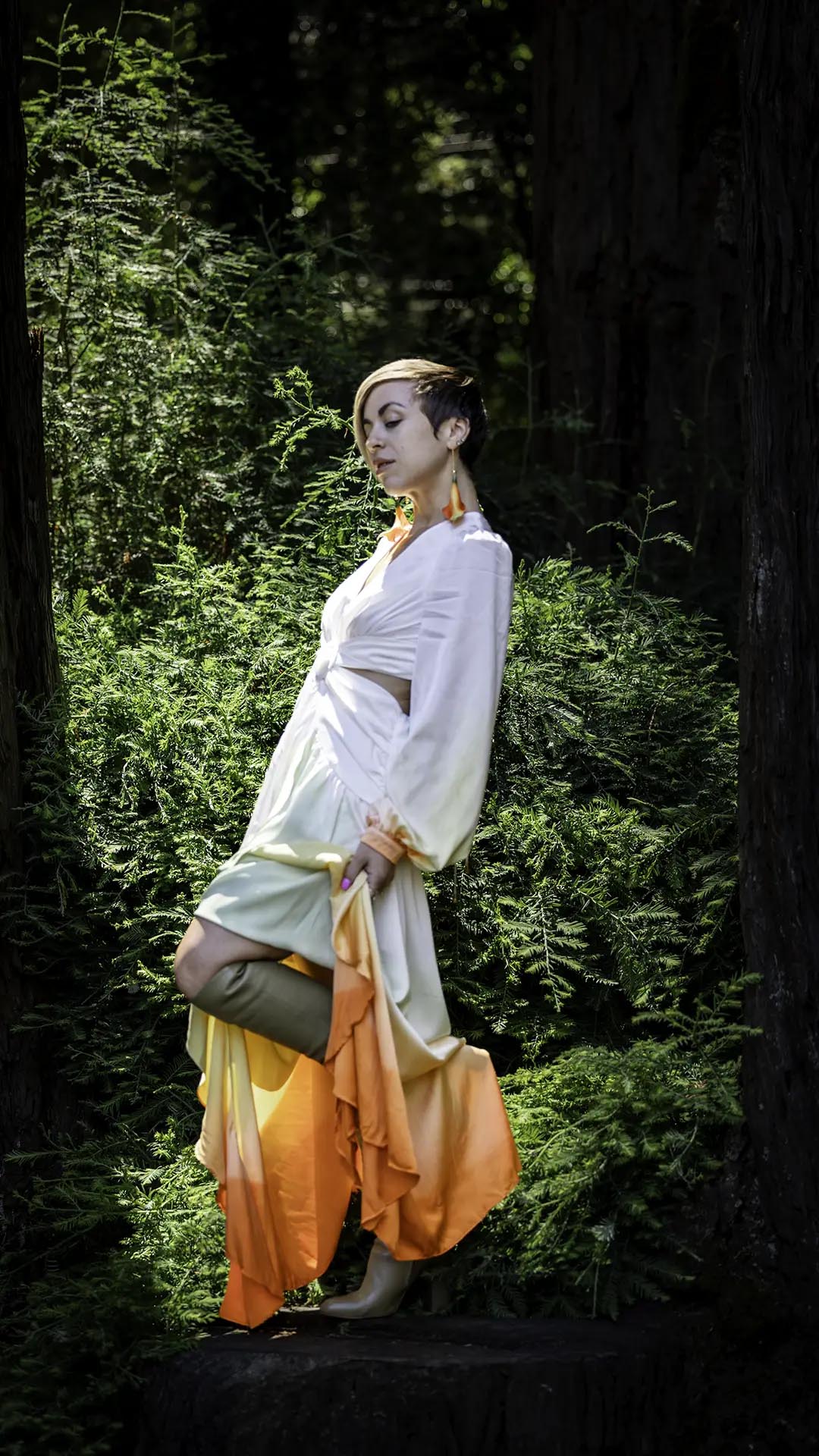
Fashion brand photography builds business by making product value visible, creating a recognizable visual identity, reducing uncertainty about fit and use, supplying channel-specific marketing assets, and helping customers imagine the clothing in a desired life. Business value improves when imagery is planned around decisions rather than content volume.
Short Answer
Fashion brand photography builds business by making product value visible, creating a recognizable visual identity, reducing uncertainty about fit and use, supplying channel-specific marketing assets, and helping customers imagine the clothing in a desired life. Business value improves when imagery is planned around decisions rather than content volume.
The technical choices for How Fashion Brand Photography Builds Business should make the intended result easier to read. Use controlled light, lens perspective, and restrained retouching while you connect every frame to a product page, campaign placement, wholesale need, press request, or reusable brand asset. Preserve skin texture and expression; technique should clarify presence rather than replace it.
Build an Image System Around Business Use
The goal is to connect fashion photography decisions to recognition, trust, conversion, and reusable brand assets. The photographs are not isolated decorations. They operate inside casting, agency review, portfolio development, brand communication, sales, or professional identity. Preparation is strongest when every visible decision can be connected to one of those jobs.
Evaluate How Fashion Brand Photography Builds Business against the production brief and intended image uses. Ask whether the plan can connect every frame to a product page, campaign placement, wholesale need, press request, or reusable brand asset. Remove choices that repeat the same visual job, create unsafe complexity, or consume time without adding meaningful variety.
The most efficient plan separates essential evidence from optional experimentation. Essential frames establish accuracy and complete the brief. Once those exist, creative variations can expand mood, movement, location, and story without putting the core deliverables at risk.
Five Business Uses for Fashion Images
Recognition reduces friction
Consistent light, color, casting, environment, and composition help audiences identify the brand before reading a logo.
Product truth supports trust
Accurate color, fabric texture, silhouette, fit, scale, and construction reduce uncertainty and prevent atmosphere from becoming misleading.
Lifestyle creates context
Credible action and environment show when, where, and by whom a product belongs without turning the campaign into generic aspiration.
A placement map increases utility
Homepage banners, product pages, email, paid social, organic content, press, wholesale, and retail require different crops and information.
An image library compounds
A well-organized production creates hero, supporting, detail, horizontal, vertical, and negative-space assets that can work together across a launch.
A Step-by-Step Plan
Use this sequence as a working checklist. Adjust it to current agency, client, or production requirements rather than treating it as a universal formula.
Define the business goal, customer, product priorities, and campaign period. Document the decision, assign responsibility where needed, and confirm it before the part of the session that depends on it.
Audit current imagery for trust, recognition, information, and channel gaps. Document the decision, assign responsibility where needed, and confirm it before the part of the session that depends on it.
Create a visual system tied to the brand position. Document the decision, assign responsibility where needed, and confirm it before the part of the session that depends on it.
Plan every required placement before setting camera orientation. Document the decision, assign responsibility where needed, and confirm it before the part of the session that depends on it.
Capture product truth, lifestyle context, founder or maker evidence, and flexible supporting assets. Document the decision, assign responsibility where needed, and confirm it before the part of the session that depends on it.
Measure performance by placement and use the findings in the next production brief. Document the decision, assign responsibility where needed, and confirm it before the part of the session that depends on it.
The order matters because later choices depend on earlier ones. Wardrobe cannot be judged without knowing the intended image; lighting cannot be finalized without understanding garment, face, background, and crop; and the edit cannot be objective without a list of required uses.
Portland and Oregon Considerations
Portland and Oregon offer studios, modern interiors, industrial surfaces, reflective streets, forest edges, coastline, and changing weather. Those settings are useful only when they support the collection, customer, crew, garment logistics, and final placements. Atmosphere should be planned as production, not treated as luck.
Review How Fashion Brand Photography Builds Business from three roles. The senior needs clear expectations, the parent needs logistics and deliverables, and the photographer needs enough information to connect every frame to a product page, campaign placement, wholesale need, press request, or reusable brand asset. No one role should absorb responsibilities that belong to another.
How to Evaluate the Result
Judge How Fashion Brand Photography Builds Business against the approved fashion brief. The final selection must connect every frame to a product page, campaign placement, wholesale need, press request, or reusable brand asset. Product truth, model performance, atmosphere, and every requested crop should work together for the named campaign, retail, wholesale, press, or website placement.
Selection should be comparative. Group images that perform the same job, identify the strongest one, and remove near-duplicates. Then test the remaining set against the original deliverable list. Personal preference matters, but it should not replace recognition, market relevance, product truth, or placement requirements.
Common Mistakes
Measuring success only by likes.
Hiding construction or fit behind mood.
Creating no horizontal website assets.
Changing visual identity every shoot.
Ignoring founder and process trust signals.
Failing to organize files by campaign and usage.
Most mistakes come from solving the wrong problem. More clothing, more locations, more frames, heavier retouching, or a stronger effect do not automatically create more value. Return to the audience, intended use, current appearance or product, and the evidence each photograph must provide.
Related Photography Services
To discuss a Portland or Oregon session, contact Shayne Blaylock with the intended audience, current images, deadlines, required uses, and any agency or client instructions. That information makes it possible to recommend a focused scope instead of a generic package.
Frequently Asked Questions
Can photography improve conversion?
Clear, credible imagery can reduce uncertainty and support buying decisions, though results also depend on product, price, site experience, offer, and traffic.
What images does a fashion brand need most?
Most need collection heroes, full looks, product details, fit and movement, horizontal and vertical crops, and supporting brand or process images.
How often should a brand create new photography?
Plan around launches, seasonal changes, inventory, campaigns, and channel needs rather than an arbitrary posting schedule.
Should the founder appear?
Founder and maker portraits can strengthen trust when the people and process are relevant to the brand story.
How can a small Portland brand control cost?
Prioritize the highest-value placements, group products efficiently, reuse a clear visual system, and design one production to generate coordinated asset types.
Plan the Next Step
Contact Shayne Blaylock to plan a Portland session. Include timing, intended use, number of people or looks, preferred studio or location direction, and any file, crop, licensing, agency, or submission requirements.
Related Articles
