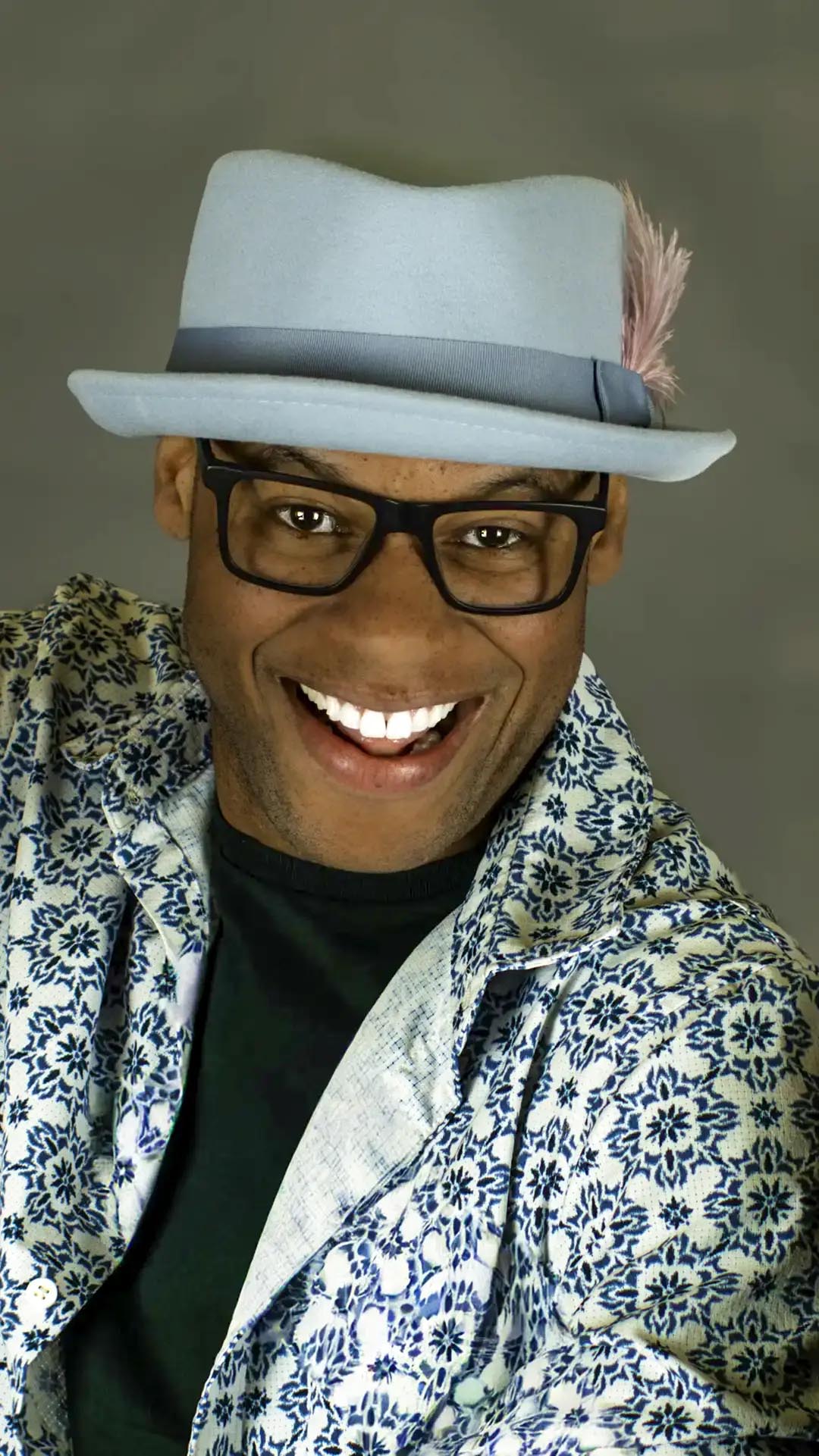
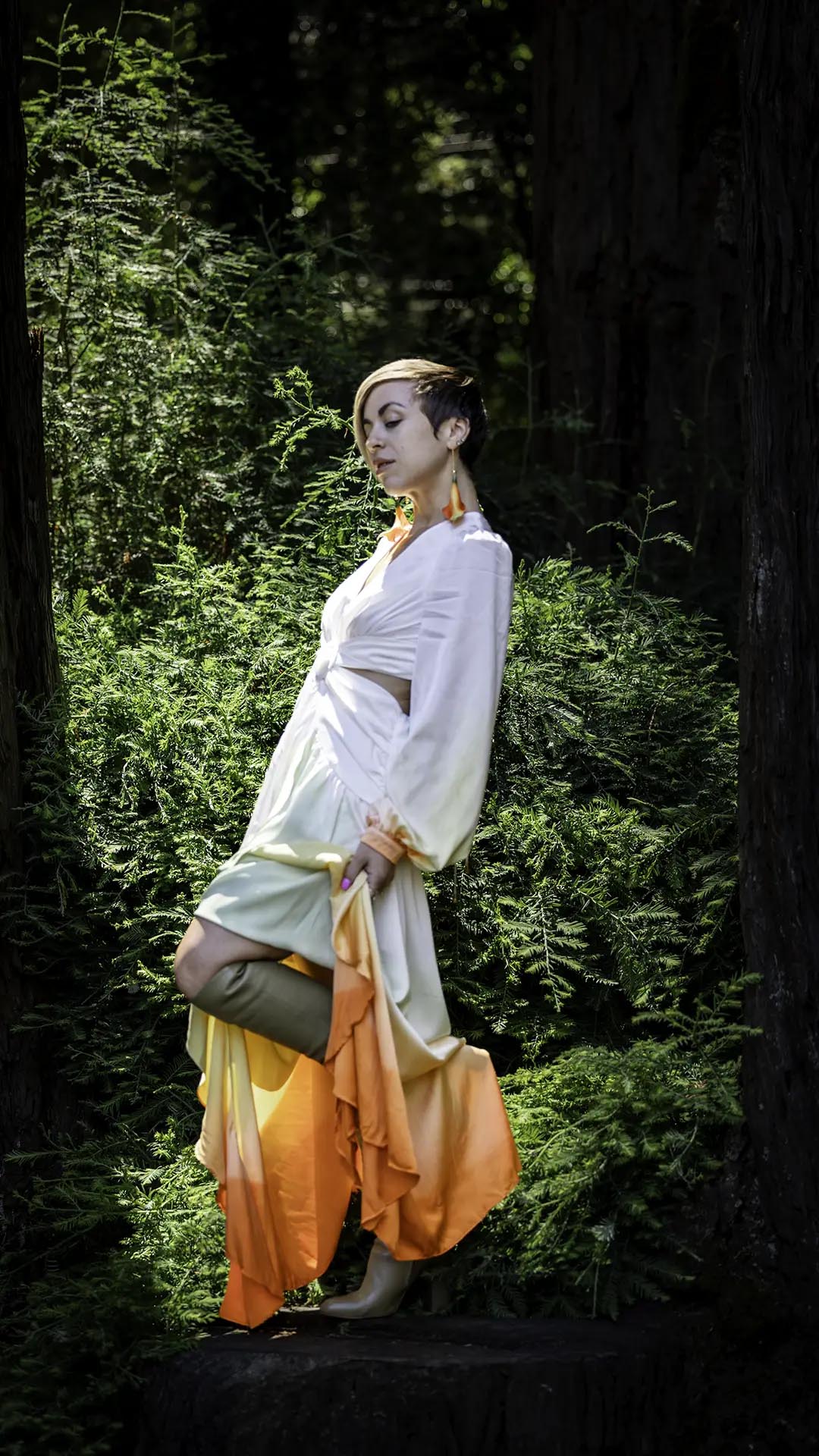
Hollywood Glamour Lighting

Concise Answer
Hollywood glamour lighting often combines elevated frontal key light, careful fill, controlled hair light, and elegant tonal separation. The contemporary version can reference classic cinema without erasing age, skin, or individuality. The practical objective is to adapt classic studio glamour through sculpted frontal light, polished highlights, and believable texture. Start with the existing light, decide what the viewer should notice first, and add only the control needed to make that intention readable.
This short answer to Hollywood Glamour Lighting matters because lighting vocabulary can become detached from photographs. A named pattern is useful when it helps diagnose direction, contrast, or falloff. It is not a requirement to force every face into the same geometry. In FSTOP’s cinematic realism, technique supports presence: atmosphere has weight, but the person remains believable.
What Hollywood Glamour Lighting Should Accomplish
The contemporary version can reference classic cinema without erasing age, skin, or individuality. That standard separates meaningful lighting from decoration. The source, shadow, background, and color should feel as though they belong to the same moment, even when the photograph uses several fixtures or substantial control outside the frame.
Before placing equipment for Hollywood Glamour Lighting, write one sentence describing the emotional and practical job of the portrait. Name the intended crop, final use, subject movement, and environmental detail that must remain visible. This brief prevents an attractive test frame from becoming the wrong answer for the assignment.
The Core Lighting Controls
Key symmetry
For Hollywood Glamour Lighting, key symmetry is a visible decision rather than a setting copied from a diagram. Change one variable at a time and watch the transition across the face, clothing, and environment. The useful question is not whether the source looks dramatic from behind the camera; it is whether the resulting hierarchy directs attention to the person and supports adapt classic studio glamour through sculpted frontal light, polished highlights, and believable texture.
Test key symmetry at the final camera position because a small move can alter catchlights, shadow edges, reflections, and background separation. Then compare it with eye sparkle. Those controls interact: correcting one by increasing power may create a second problem that placement, flagging, or subject position would solve more cleanly.
Eye sparkle
For Hollywood Glamour Lighting, eye sparkle is a visible decision rather than a setting copied from a diagram. Change one variable at a time and watch the transition across the face, clothing, and environment. The useful question is not whether the source looks dramatic from behind the camera; it is whether the resulting hierarchy directs attention to the person and supports adapt classic studio glamour through sculpted frontal light, polished highlights, and believable texture.
Test eye sparkle at the final camera position because a small move can alter catchlights, shadow edges, reflections, and background separation. Then compare it with hair separation. Those controls interact: correcting one by increasing power may create a second problem that placement, flagging, or subject position would solve more cleanly.
Hair separation
For Hollywood Glamour Lighting, hair separation is a visible decision rather than a setting copied from a diagram. Change one variable at a time and watch the transition across the face, clothing, and environment. The useful question is not whether the source looks dramatic from behind the camera; it is whether the resulting hierarchy directs attention to the person and supports adapt classic studio glamour through sculpted frontal light, polished highlights, and believable texture.
Test hair separation at the final camera position because a small move can alter catchlights, shadow edges, reflections, and background separation. Then compare it with specular polish. Those controls interact: correcting one by increasing power may create a second problem that placement, flagging, or subject position would solve more cleanly.
Specular polish
For Hollywood Glamour Lighting, specular polish is a visible decision rather than a setting copied from a diagram. Change one variable at a time and watch the transition across the face, clothing, and environment. The useful question is not whether the source looks dramatic from behind the camera; it is whether the resulting hierarchy directs attention to the person and supports adapt classic studio glamour through sculpted frontal light, polished highlights, and believable texture.
Test specular polish at the final camera position because a small move can alter catchlights, shadow edges, reflections, and background separation. Then compare it with retouching restraint. Those controls interact: correcting one by increasing power may create a second problem that placement, flagging, or subject position would solve more cleanly.
Step-by-Step Setup
Define the frame. For Hollywood Glamour Lighting, choose the camera height, crop, background, and subject mark before fine lighting adjustments. Light can only be judged against the composition it must serve.
Record the ambient baseline. For Hollywood Glamour Lighting, make a frame with added sources off. Note practical highlights, window direction, color casts, reflective surfaces, and the darkest area in which useful detail must remain.
Build the primary source. In Hollywood Glamour Lighting, place the key according to the intended expression and face angle. Set direction and distance before power; moving a source changes quality and falloff, while power alone changes only quantity.
Shape what the key cannot solve. During Hollywood Glamour Lighting, use a flag, negative fill, reflector, curtain, grid, or second source only after naming the problem. Keep each tool responsible for one understandable job.
Bring in the subject. For Hollywood Glamour Lighting, recheck key symmetry and eye sparkle with real posture, hair, wardrobe, glasses, and movement. A stand-in can establish exposure, but it cannot reveal the final human details.
Test expression and movement. Within Hollywood Glamour Lighting, capture neutral, subtle, and more active variations. Watch whether the lighting remains coherent when the chin, shoulders, hands, or eyeline move away from the original mark.
Document the final state. After Hollywood Glamour Lighting, save a clean reference frame and record exposure, white balance, power, distances, modifier orientation, and ambient conditions. Photograph the set from above or from both sides when the spatial relationship is difficult to describe.
This sequence keeps Hollywood Glamour Lighting adjustable. If the result fails, return to the last successful frame instead of changing several fixtures at once. Controlled iteration produces stronger judgment and makes a successful setup repeatable for another person, location, or production day.
A Real-World Portrait Scenario
Consider a formal portrait influenced by 1930s studio publicity photographs. Begin by deciding which environmental clues must remain visible and what emotional register the subject should carry. Establish an exposure that protects those clues, then place the subject where the existing direction already supports the intended face angle.
For this Hollywood Glamour Lighting scenario, build the smallest possible intervention. Use key symmetry to establish the face, refine hair separation so the frame retains depth, and check retouching restraint before increasing output. Make a neutral frame before introducing color, haze, diffusion, or a pronounced edge.
While making Hollywood Glamour Lighting, direct the person while watching the light rather than treating expression as a separate phase. A pause, lowered chin, rotated shoulder, or step toward the source can change both psychological tone and exposure. The strongest frame joins gesture and illumination so neither feels pasted onto the other.
Exposure, Color, and Skin
Exposure for Hollywood Glamour Lighting should protect the brightest meaningful surface while retaining enough shadow information for the intended finish. Read the face, then check light clothing, reflective makeup, glasses, metallic accessories, practical bulbs, and bright background openings. A technically recoverable highlight may still look false or distracting.
For Hollywood Glamour Lighting, set a stable white balance when several frames must match. If mixed color is part of the design, decide which source should render neutral and which source is allowed to shift. Evaluate color on skin, white wardrobe, and neutral surfaces; a pleasing background color can still contaminate the jaw or eye socket.
Do not use underexposure as a shortcut to atmosphere in Hollywood Glamour Lighting. Dense shadows can hold emotional weight while retaining believable transitions and texture. Capture a neutral reference when using gels or unusual practicals so the final grade has an honest point of comparison.
Directing a Person Inside the Light
During Hollywood Glamour Lighting, show the subject the physical working area rather than asking them to remain frozen on a tiny mark. Explain which movements are safe, which direction keeps the eyes in the light, and whether a turn changes the shadow pattern. Clear visual direction reduces technical interruptions and supports natural presence.
For Hollywood Glamour Lighting, watch the transition frames. Expression often becomes most believable between formal poses, but those moments remain usable only if the lighting tolerates a breath, weight shift, or small head turn. Build enough latitude for human movement unless a deliberately narrow beam is essential to the story.
Common Mistakes and Corrections
Plastic skin
In Hollywood Glamour Lighting, plastic skin weakens the frame because it disconnects technique from the subject or scene. Diagnose it by making a neutral reference frame, switching off the most recent source, and comparing the face, edge, and background separately. A smaller positional correction is usually more believable than adding another light. Correction 1 should preserve texture and expression while restoring a clear source hierarchy.
Flat frontal blast
In Hollywood Glamour Lighting, flat frontal blast weakens the frame because it disconnects technique from the subject or scene. Diagnose it by making a neutral reference frame, switching off the most recent source, and comparing the face, edge, and background separately. A smaller positional correction is usually more believable than adding another light. Correction 2 should preserve texture and expression while restoring a clear source hierarchy.
Hair light clipping
In Hollywood Glamour Lighting, hair light clipping weakens the frame because it disconnects technique from the subject or scene. Diagnose it by making a neutral reference frame, switching off the most recent source, and comparing the face, edge, and background separately. A smaller positional correction is usually more believable than adding another light. Correction 3 should preserve texture and expression while restoring a clear source hierarchy.
Nostalgia costume
In Hollywood Glamour Lighting, nostalgia costume weakens the frame because it disconnects technique from the subject or scene. Diagnose it by making a neutral reference frame, switching off the most recent source, and comparing the face, edge, and background separately. A smaller positional correction is usually more believable than adding another light. Correction 4 should preserve texture and expression while restoring a clear source hierarchy.
Catchlights too low
In Hollywood Glamour Lighting, catchlights too low weakens the frame because it disconnects technique from the subject or scene. Diagnose it by making a neutral reference frame, switching off the most recent source, and comparing the face, edge, and background separately. A smaller positional correction is usually more believable than adding another light. Correction 5 should preserve texture and expression while restoring a clear source hierarchy.
Image and Diagram Plan
ORIGINAL IMAGE SLOT: Filename: `hollywood-glamour-lighting-finished-portrait.jpg`. Alt text: "Finished portrait demonstrating hollywood glamour lighting with controlled facial detail and environmental depth."
ORIGINAL DIAGRAM SLOT: Filename: `hollywood-glamour-lighting-lighting-diagram.svg`. Alt text: "Overhead lighting diagram for hollywood glamour lighting showing camera, subject, sources, modifiers, and flags."
ORIGINAL BTS SLOT: Filename: `hollywood-glamour-lighting-behind-the-scenes.jpg`. Alt text: "Behind-the-scenes view of a hollywood glamour lighting setup with source placement and spill control visible."
The three Hollywood Glamour Lighting image slots should be filled only with original FSTOP photographs or diagrams. The finished image explains the result, the diagram explains spatial relationships, and the behind-the-scenes frame demonstrates experience. Together they provide stronger evidence than decorative stock photography.
Related Lighting Guides and Services
Build outward from Hollywood Glamour Lighting in stages: begin with Three-Light Commercial Setup, compare the adjacent decision in Volumetric Lighting, and strengthen intermediate control with What Is Cinematic Lighting?. For a more advanced application, continue to Rembrandt Lighting Guide; then use Creating Depth with Light as a practical diagnostic or production reference.
After Hollywood Glamour Lighting, return to the Cinematic Lighting for Portrait Photography pillar guide for the complete framework connecting direction, contrast, color, catchlights, depth, flash, natural light, and visual psychology.
The Hollywood Glamour Lighting approach also applies to professional headshots and portrait session pricing. For a Portland session, use the service page to compare the intended photographs, preparation needs, and production scope before choosing equipment or a visual treatment.
Frequently Asked Questions
What is the simplest way to practice hollywood glamour lighting?
Use one subject, one source, a fixed camera position, and a plain background. Photograph deliberate changes to key symmetry, eye sparkle, and hair separation; label the frames so the visual effect can be compared later.
Does hollywood glamour lighting require expensive equipment?
No. For Hollywood Glamour Lighting, the central skill is controlling direction, size, distance, spill, and exposure. A window, lamp, inexpensive LED, reflector, curtain, or black card can teach the same relationships before specialized equipment becomes necessary.
How do I know when the lighting looks cinematic?
The image should suggest a believable world beyond the frame, preserve human presence, and use light to organize emotion and space. A color effect or dark exposure alone does not make hollywood glamour lighting cinematic.
What camera setting should I choose first?
For Hollywood Glamour Lighting, choose shutter speed from subject movement and flash synchronization, aperture from the required depth of field, then ISO from the remaining exposure. Lock white balance when color continuity matters and verify important highlights with the histogram or waveform.
How should hollywood glamour lighting change for different faces?
Adapt Hollywood Glamour Lighting by adjusting the face angle, source height, fill, and camera position after observing bone structure, glasses, hair, skin response, and expression. Lighting patterns are starting points; the person is the evidence used to refine them.
Can I use this approach outdoors in Portland?
Yes. Treat sky, sun, buildings, wet pavement, foliage, and storefronts as existing sources or flags. Establish the ambient frame first, then add or subtract light only where adapt classic studio glamour through sculpted frontal light, polished highlights, and believable texture requires more control.
What should I record after the setup works?
After a successful Hollywood Glamour Lighting setup, photograph the set from the camera and subject positions; note distances, heights, modifier orientation, power, exposure, white balance, and ambient conditions. Record why the decisions worked, not only the equipment list.