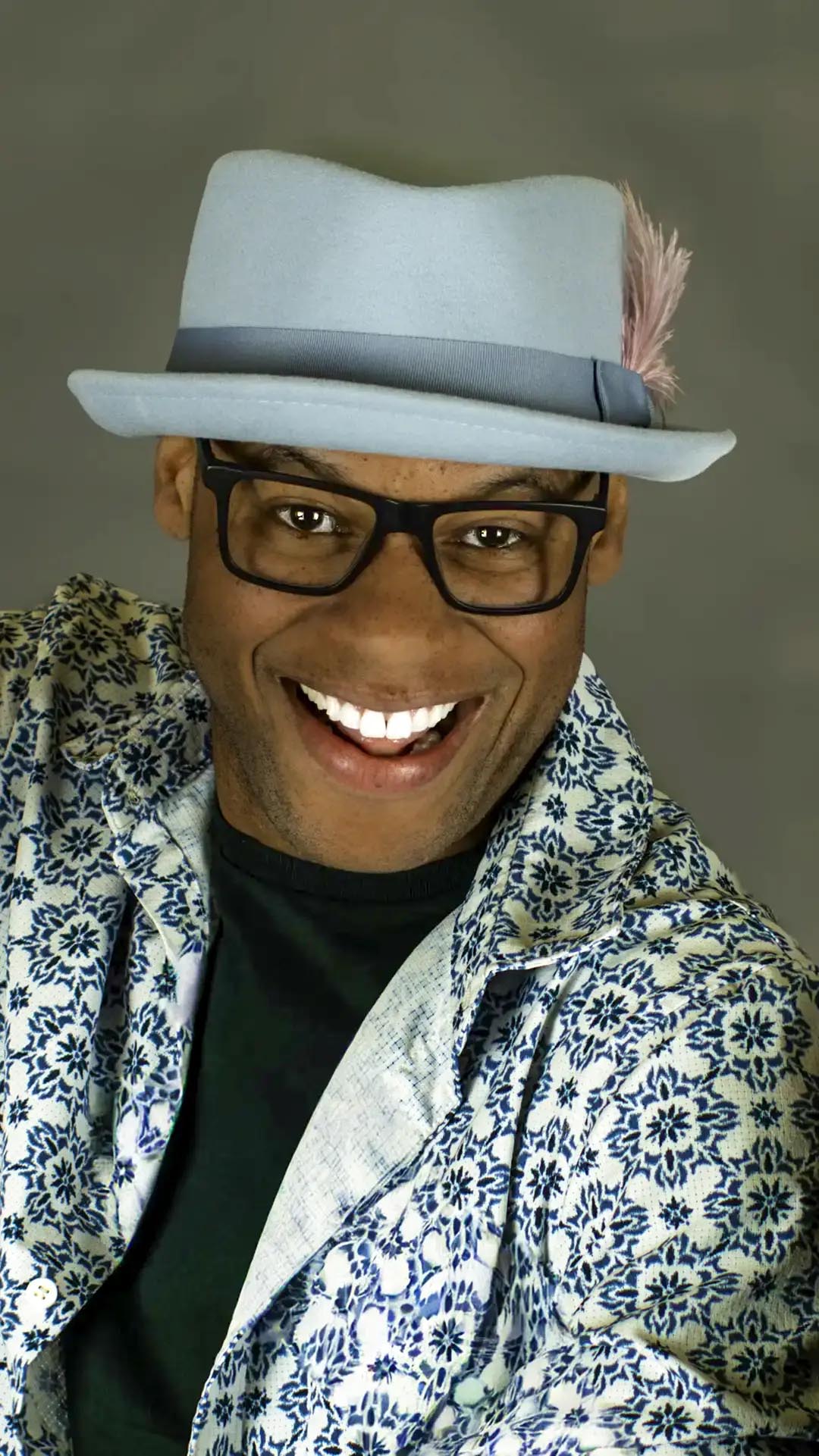
Why Flat Light Fails

Flat lighting can reduce depth, dimension, and visual interest in portrait photography by minimizing the shadows that define shape and form. While even illumination may appear flattering, directional light often creates stronger separation, facial definition, and emotional impact. Understanding the difference between flat and directional lighting helps photographers create portraits with greater depth, realism, and visual presence.
Related photography guidance
Flat light is one of the most common reasons portraits look lifeless, amateur, and forgettable. While evenly lit images may appear technically correct, they often lack the depth, shape, and visual interest that make a portrait compelling. Whether working with natural light, studio strobes, or outdoor environments, understanding why flat light fails is essential for creating professional-quality photography.
What Is Flat Light?
Flat light occurs when the primary light source is positioned directly in line with the camera. Because the light hits the face evenly from the front, it minimizes shadows, reduces texture, and removes the natural contours that define facial features.
Examples include:
Midday overcast light without direction
On-camera flash
Subjects facing directly toward a large window
Ring lights used without additional shaping light
Large softboxes placed directly behind the camera
While flat lighting can reduce blemishes and produce clean exposure, it often sacrifices dimension and character.
Why Flat Light Makes Portraits Look Two-Dimensional
Human faces are three-dimensional structures made up of planes, curves, and varying depths. Our eyes naturally use highlights and shadows to interpret shape.
When light comes from the same direction as the camera:
Shadows disappear
Facial contours become less defined
Cheekbones lose separation
Jawlines appear softer
Eyes lose depth
The image feels visually compressed
Without tonal variation, the photograph begins to resemble a flat surface rather than a living person occupying space.
Portrait Photography Depends on Shadow
Many photographers focus exclusively on light. Great portrait photographers understand that shadows are equally important.
Shadows create:
Facial structure
Visual depth
Subject separation
Mood and emotion
Viewer attention
A portrait without shadows is similar to a drawing without contrast. The subject becomes harder to interpret, and the image loses visual impact.
The goal is not harsh shadows but intentional shadows that sculpt the face and guide the viewer's eye.
Flat Light Reduces Emotional Connection
Light influences how viewers feel about a photograph.
Directional light creates:
Drama
Intimacy
Confidence
Strength
Mystery
Authenticity
Flat light often removes these emotional cues because every area receives the same visual importance.
When everything is illuminated equally, nothing stands out.
This lack of hierarchy makes portraits feel generic rather than personal.
Natural Light Can Be Flat Too
Many photographers assume only flash creates flat lighting. In reality, natural light can become flat just as easily.
Common examples include:
Facing a Large Open Sky
When a subject stands directly beneath an evenly overcast sky, light wraps around the face from multiple directions.
While exposure may be beautiful, facial structure often disappears.
Standing Straight Into Window Light
Large windows create gorgeous soft light, but positioning the subject directly facing the window frequently results in flat illumination.
Turning the subject slightly away from the light source introduces shape and depth immediately.
Open Shade Without Direction
Open shade can be excellent for portraits, but photographers must still identify where the brightest light originates.
Without directional control, open shade often produces images lacking dimension.
Flat Light Hurts Subject Separation
Professional portraits often feel three-dimensional because subjects appear separated from the background.
Directional lighting helps achieve this by creating:
Highlight transitions
Shadow depth
Edge definition
Tonal contrast
Flat light reduces these visual cues.
As a result:
Subjects blend into backgrounds
Clothing loses texture
Hair lacks separation
Images appear less polished
Even expensive cameras and lenses cannot compensate for poor lighting direction.
Why Directional Light Works Better
Directional light introduces gradual transitions between highlight and shadow.
These transitions reveal:
Facial structure
Skin texture
Bone structure
Eye shape
Expression
Popular portrait lighting patterns such as loop lighting, Rembrandt lighting, and short lighting all rely on directional illumination because they create depth while maintaining flattering skin tones.
The difference between a professional portrait and an ordinary snapshot is often the intentional placement of shadows.
Flat Light Eliminates Visual Interest
The human eye is naturally drawn to contrast.
When a portrait contains:
Bright highlights
Gentle shadow transitions
Clear focal points
Viewers spend more time engaging with the image.
Flat light reduces contrast across the entire frame, giving the eye fewer reasons to explore.
The result is a portrait that may be technically correct but visually forgettable.
How to Avoid Flat Light
Improving portrait lighting does not require expensive equipment.
Simple adjustments include:
Move the Light Source Off-Axis
Position the light 30 to 60 degrees from the camera instead of directly behind it.
Turn the Subject
Even a slight head rotation can create natural shadow patterns and improve facial definition.
Use Window Light From the Side
Side-lit window portraits often produce significantly more depth than front-lit portraits.
Create Negative Fill
Using a black reflector, wall, or flag can deepen shadows and increase contrast naturally.
Watch Shadow Placement
Instead of eliminating shadows, focus on controlling them.
Intentional shadows create stronger portraits.
The Best Portraits Balance Light and Shadow
The objective is not dramatic lighting in every situation. Instead, successful portraits balance illumination and shadow to create depth while maintaining flattering skin tones.
Whether photographing executives, families, artists, or personal branding clients, portraits become more engaging when light has direction.
Flat light removes the visual information that helps viewers perceive shape, emotion, and presence. Directional light restores those qualities, transforming ordinary photographs into portraits with depth, dimension, and lasting impact.
When evaluating a portrait, ask a simple question:
Does the lighting reveal the subject's shape, or does it hide it?
The answer often determines whether the image feels professional—or simply flat.
Related Session Planning
To apply these ideas in a real session, explore headshots for Portland professionals, a strategic brand portrait session, senior photography in Portland, or start planning your session.