How to Build Your First Modeling Portfolio
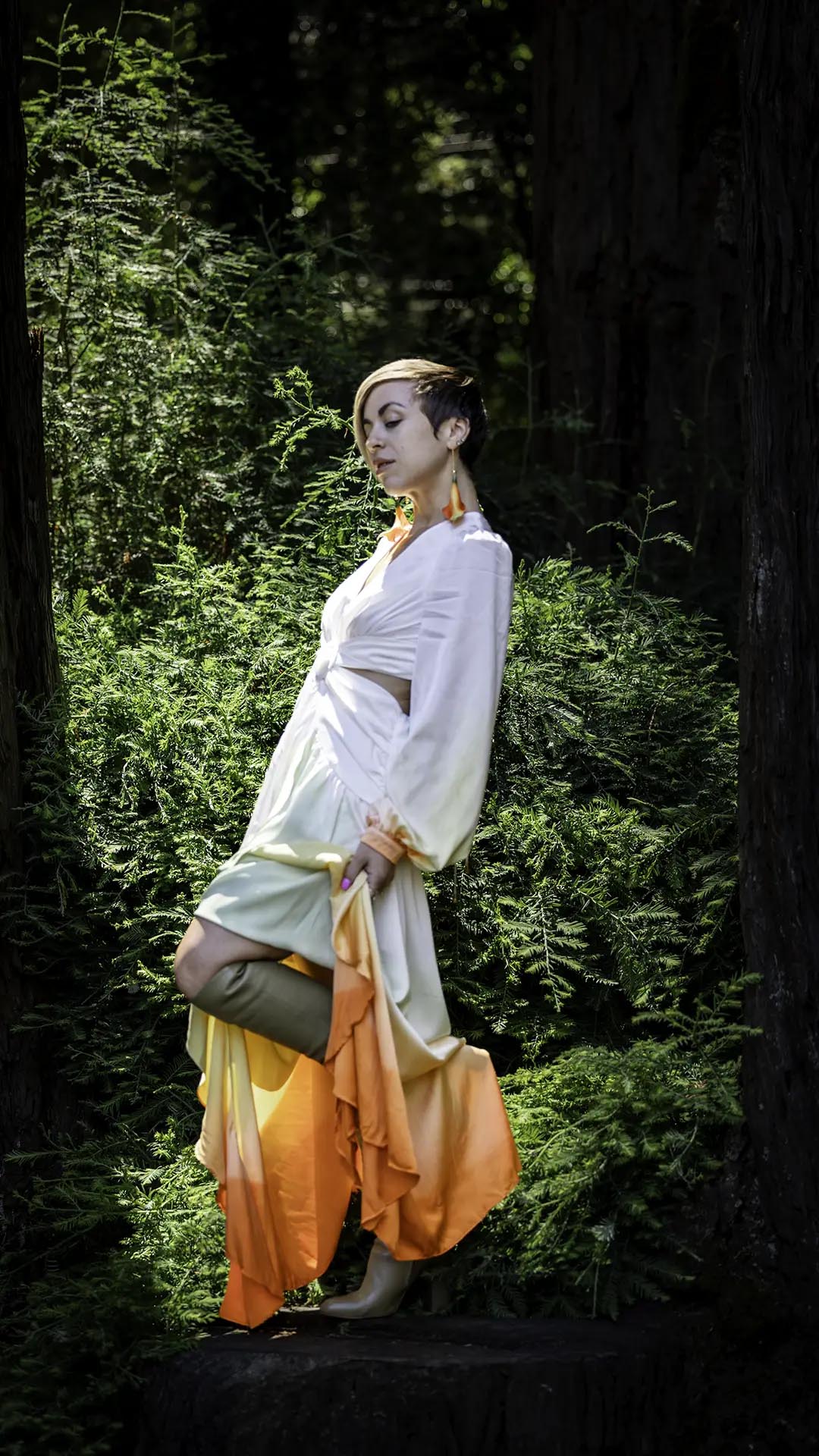
A first modeling portfolio should begin with accurate digitals, a strong clean portrait, full-length and three-quarter frames, movement, and a small amount of commercial or editorial range. Six to twelve excellent, nonredundant photographs are usually more useful than a large book of inconsistent images.
Short Answer
A first modeling portfolio should begin with accurate digitals, a strong clean portrait, full-length and three-quarter frames, movement, and a small amount of commercial or editorial range. Six to twelve excellent, nonredundant photographs are usually more useful than a large book of inconsistent images.
The technical choices for How to Build Your First Modeling Portfolio should make the intended result easier to read. Use controlled light, lens perspective, and restrained retouching while you sequence current digitals, a clean portrait, full-length work, movement, and a limited number of concept images around the intended market. Preserve skin texture and expression; technique should clarify presence rather than replace it.
Build Evidence, Not Volume
The goal is to build a focused first modeling portfolio that demonstrates potential rather than unnecessary volume. The photographs are not isolated decorations. They operate inside casting, agency review, portfolio development, brand communication, sales, or professional identity. Preparation is strongest when every visible decision can be connected to one of those jobs.
Evaluate How to Build Your First Modeling Portfolio against the production brief and intended image uses. Ask whether the plan can sequence current digitals, a clean portrait, full-length work, movement, and a limited number of concept images around the intended market. Remove choices that repeat the same visual job, create unsafe complexity, or consume time without adding meaningful variety.
The most efficient plan separates essential evidence from optional experimentation. Essential frames establish accuracy and complete the brief. Once those exist, creative variations can expand mood, movement, location, and story without putting the core deliverables at risk.
Five First-Portfolio Decisions
Start with truthful baseline images
Clean digitals show face, proportions, hair, and body without elaborate styling. They allow agencies and clients to evaluate current potential.
Show range without changing identity
Different expressions, movement, crops, and styling should reveal adaptability while the model remains recognizable from frame to frame.
Prioritize fundamentals
Posture, eyeline, hands, transitions, garment awareness, and the ability to repeat a shape matter more than complicated locations or effects.
Edit for consistency
A portfolio is judged as a sequence. Uneven retouching, conflicting color, and weak filler can lower the perceived level of the strongest work.
Build toward a market
Commercial, lifestyle, editorial, beauty, and fashion clients look for different evidence. The first book should reflect realistic goals and local opportunities.
A Step-by-Step Plan
Use this sequence as a working checklist. Adjust it to current agency, client, or production requirements rather than treating it as a universal formula.
Research legitimate agencies and client categories in the market you intend to enter. Document the decision, assign responsibility where needed, and confirm it before the part of the session that depends on it.
Make current agency-style digitals before planning elaborate photographs. Document the decision, assign responsibility where needed, and confirm it before the part of the session that depends on it.
Identify the essential gaps: portrait, full length, movement, commercial expression, and editorial shape. Document the decision, assign responsibility where needed, and confirm it before the part of the session that depends on it.
Plan two or three coordinated looks rather than many unrelated outfits. Document the decision, assign responsibility where needed, and confirm it before the part of the session that depends on it.
Use the session to practice direction, transitions, and repeatability as well as make images. Document the decision, assign responsibility where needed, and confirm it before the part of the session that depends on it.
Edit to a concise sequence and seek qualified agency feedback before adding more. Document the decision, assign responsibility where needed, and confirm it before the part of the session that depends on it.
The order matters because later choices depend on earlier ones. Wardrobe cannot be judged without knowing the intended image; lighting cannot be finalized without understanding garment, face, background, and crop; and the edit cannot be objective without a list of required uses.
Portland and Oregon Considerations
Review How to Build Your First Modeling Portfolio from three roles. The senior needs clear expectations, the parent needs logistics and deliverables, and the photographer needs enough information to sequence current digitals, a clean portrait, full-length work, movement, and a limited number of concept images around the intended market. No one role should absorb responsibilities that belong to another.
How to Evaluate the Result
Selection should be comparative. Group images that perform the same job, identify the strongest one, and remove near-duplicates. Then test the remaining set against the original deliverable list. Personal preference matters, but it should not replace recognition, market relevance, product truth, or placement requirements.
Common Mistakes
Paying for volume instead of quality.
Skipping digitals.
Using only heavily styled editorial images.
Including several nearly identical poses.
Over-retouching skin or body shape.
Assuming one shoot completes a career-long book.
Most mistakes come from solving the wrong problem. More clothing, more locations, more frames, heavier retouching, or a stronger effect do not automatically create more value. Return to the audience, intended use, current appearance or product, and the evidence each photograph must provide.
Related Photography Services
To discuss a Portland or Oregon session, contact Shayne Blaylock with the intended audience, current images, deadlines, required uses, and any agency or client instructions. That information makes it possible to recommend a focused scope instead of a generic package.
Frequently Asked Questions
How many photos should a beginner model have?
Six to twelve strong images are often enough for a first portfolio. Agencies may request fewer, different, or specific digitals.
Do I need agency representation first?
No. A clean starter set can support agency submissions, but follow each agency’s published requirements exactly.
Should a first portfolio include studio and location work?
It can, but variety of setting is less important than clear evidence of face, proportions, movement, expression, and direction.
Can phone photos count as digitals?
Some agencies accept well-made phone digitals in natural light. Follow their instructions for background, clothing, framing, makeup, and file delivery.
How often should the portfolio change?
Update digitals after meaningful appearance changes and refine the portfolio as stronger work or a clearer market direction develops.
Plan the Next Step
Contact Shayne Blaylock to plan a Portland session. Include timing, intended use, number of people or looks, preferred studio or location direction, and any file, crop, licensing, agency, or submission requirements.
Related Articles