Editorial vs. Commercial Modeling
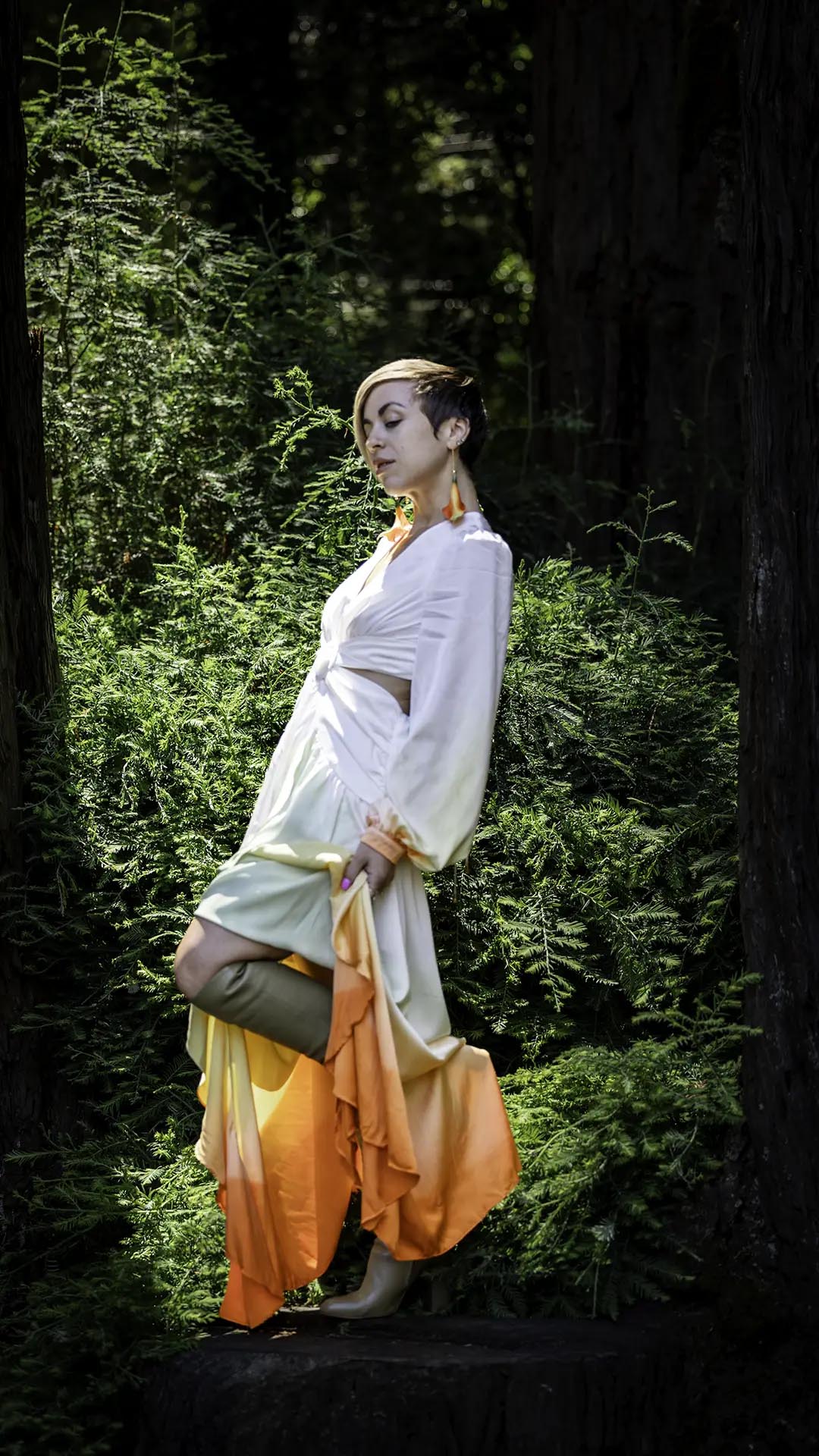
Editorial modeling interprets fashion, concept, and visual story through strong shape, restraint, experimentation, and collaboration. Commercial modeling helps a defined audience understand or desire a product through relatable expression, credible action, and broad usability. Many models work across both, but their portfolios should show the correct evidence for each market.
Short Answer
Editorial modeling interprets fashion, concept, and visual story through strong shape, restraint, experimentation, and collaboration. Commercial modeling helps a defined audience understand or desire a product through relatable expression, credible action, and broad usability. Many models work across both, but their portfolios should show the correct evidence for each market.
The technical choices for Editorial vs. Commercial Modeling should make the intended result easier to read. Use controlled light, lens perspective, and restrained retouching while you separate concept-driven shape and experimentation from the approachable expression and product clarity commercial clients often need. Preserve skin texture and expression; technique should clarify presence rather than replace it.
Choose the Market the Images Need to Serve
The goal is to compare editorial and commercial modeling expectations, images, expression, and portfolio evidence. The photographs are not isolated decorations. They operate inside casting, agency review, portfolio development, brand communication, sales, or professional identity. Preparation is strongest when every visible decision can be connected to one of those jobs.
Evaluate Editorial vs. Commercial Modeling against the production brief and intended image uses. Ask whether the plan can separate concept-driven shape and experimentation from the approachable expression and product clarity commercial clients often need. Remove choices that repeat the same visual job, create unsafe complexity, or consume time without adding meaningful variety.
The most efficient plan separates essential evidence from optional experimentation. Essential frames establish accuracy and complete the brief. Once those exist, creative variations can expand mood, movement, location, and story without putting the core deliverables at risk.
Five Differences a Portfolio Should Show
Editorial work interprets
The model contributes line, character, tension, and sequence to a creative concept. Ambiguity can be useful when it deepens the story.
Commercial work communicates
The model needs to make products, services, and situations feel clear and believable to a target customer.
Expression functions differently
Editorial expression may be restrained or psychologically distant; commercial expression often needs responsive warmth. Neither should become a cliché.
Movement must serve the frame
Editorial movement can emphasize silhouette and fabric, while commercial action must remain credible and keep the product readable.
Portfolio choices signal market readiness
Clients infer capability from the book. A model seeking both categories needs distinct examples rather than one styling change.
A Step-by-Step Plan
Use this sequence as a working checklist. Adjust it to current agency, client, or production requirements rather than treating it as a universal formula.
Identify which client categories exist in your target market. Document the decision, assign responsibility where needed, and confirm it before the part of the session that depends on it.
Audit the portfolio for editorial and commercial evidence separately. Document the decision, assign responsibility where needed, and confirm it before the part of the session that depends on it.
Plan wardrobe, lighting, expression, and movement around the missing category. Document the decision, assign responsibility where needed, and confirm it before the part of the session that depends on it.
Practice repeatable transitions and product-aware hand placement. Document the decision, assign responsibility where needed, and confirm it before the part of the session that depends on it.
Select images based on client function rather than personal style alone. Document the decision, assign responsibility where needed, and confirm it before the part of the session that depends on it.
Sequence the book so range is clear without creating visual confusion. Document the decision, assign responsibility where needed, and confirm it before the part of the session that depends on it.
The order matters because later choices depend on earlier ones. Wardrobe cannot be judged without knowing the intended image; lighting cannot be finalized without understanding garment, face, background, and crop; and the edit cannot be objective without a list of required uses.
Portland and Oregon Considerations
Review Editorial vs. Commercial Modeling from three roles. The senior needs clear expectations, the parent needs logistics and deliverables, and the photographer needs enough information to separate concept-driven shape and experimentation from the approachable expression and product clarity commercial clients often need. No one role should absorb responsibilities that belong to another.
How to Evaluate the Result
Selection should be comparative. Group images that perform the same job, identify the strongest one, and remove near-duplicates. Then test the remaining set against the original deliverable list. Personal preference matters, but it should not replace recognition, market relevance, product truth, or placement requirements.
Common Mistakes
Calling every serious portrait editorial.
Using a generic smile for commercial work.
Ignoring garment or product visibility.
Confusing novelty with concept.
Showing only one emotional register.
Building a book unrelated to the market being pursued.
Most mistakes come from solving the wrong problem. More clothing, more locations, more frames, heavier retouching, or a stronger effect do not automatically create more value. Return to the audience, intended use, current appearance or product, and the evidence each photograph must provide.
Related Photography Services
To discuss a Portland or Oregon session, contact Shayne Blaylock with the intended audience, current images, deadlines, required uses, and any agency or client instructions. That information makes it possible to recommend a focused scope instead of a generic package.
Frequently Asked Questions
Can a model work in both categories?
Yes. Many models do, especially in regional markets. The portfolio should show believable ability in each.
Is editorial modeling only for magazines?
No. Editorial language can appear in designer stories, independent publications, beauty projects, tests, and brand content with a conceptual purpose.
Is commercial modeling less creative?
No. It has different constraints. Clear communication, product awareness, natural action, and subtle repeatability require substantial skill.
Which category is more common in Portland?
Portland and Oregon support overlapping lifestyle, outdoor, apparel, small-brand, editorial, and commercial work. Demand changes, so current agency guidance matters.
What should a crossover portfolio include?
Include accurate digitals, clean portraits, full-length work, credible commercial expression and action, plus editorial shape, restraint, and styling range.
Plan the Next Step
Contact Shayne Blaylock to plan a Portland session. Include timing, intended use, number of people or looks, preferred studio or location direction, and any file, crop, licensing, agency, or submission requirements.
Related Articles