Common Acting Headshot Mistakes
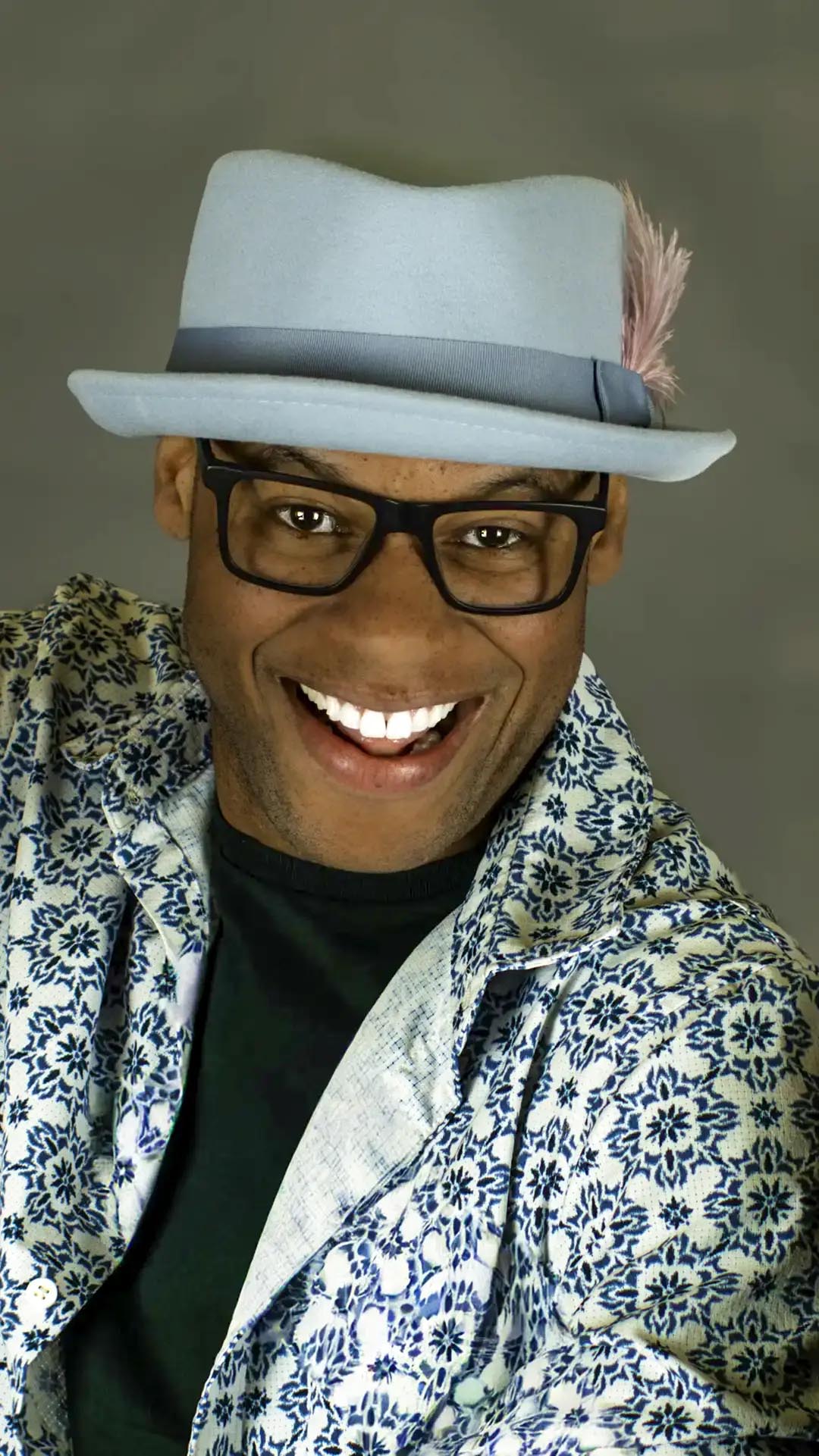
The most damaging acting headshot mistakes are outdated appearance, over-retouching, forced expression, unclear casting intent, distracting styling, weak eye engagement, and redundant final selections. A successful headshot should be current, believable, technically clear, and assigned to a real submission purpose.
Short Answer
The most damaging acting headshot mistakes are outdated appearance, over-retouching, forced expression, unclear casting intent, distracting styling, weak eye engagement, and redundant final selections. A successful headshot should be current, believable, technically clear, and assigned to a real submission purpose.
The technical choices for Common Acting Headshot Mistakes should make the intended result easier to read. Use controlled light, lens perspective, and restrained retouching while you check current appearance, eye clarity, casting specificity, believable expression, skin texture, and whether retouching changes recognition. Preserve skin texture and expression; technique should clarify presence rather than replace it.
What This Guide Needs to Accomplish
The goal is to identify acting headshot choices that reduce recognition, credibility, or casting usefulness. The photographs are not isolated decorations. They operate inside casting, agency review, portfolio development, brand communication, sales, or professional identity. Preparation is strongest when every visible decision can be connected to one of those jobs.
Evaluate Common Acting Headshot Mistakes against the senior's priorities and the family's required uses. Ask whether the plan can check current appearance, eye clarity, casting specificity, believable expression, skin texture, and whether retouching changes recognition. Remove choices that repeat the same visual job, create unsafe complexity, or consume time without adding meaningful variety.
The most efficient plan separates essential evidence from optional experimentation. Essential frames establish accuracy and complete the brief. Once those exist, creative variations can expand mood, movement, location, and story without putting the core deliverables at risk.
Core Decisions
Choosing glamour over recognition
The most flattering frame is not always the most useful one. Casting needs an accurate person before it needs a perfected surface. This decision should be tested against the intended audience, crop, and real use rather than a trend or isolated favorite frame. The strongest choice stays visually clear, preserves the subject or product honestly, and gives the rest of the session a repeatable standard.
Performing an expression
A fixed smile or manufactured intensity can make the eyes and mouth contradict each other. Playable thoughts create more coherent expression. This decision should be tested against the intended audience, crop, and real use rather than a trend or isolated favorite frame. The strongest choice stays visually clear, preserves the subject or product honestly, and gives the rest of the session a repeatable standard.
Letting technique dominate
Extreme blur, dramatic grading, wide-angle distortion, or complicated backgrounds can make the photographer more visible than the actor. This decision should be tested against the intended audience, crop, and real use rather than a trend or isolated favorite frame. The strongest choice stays visually clear, preserves the subject or product honestly, and gives the rest of the session a repeatable standard.
Building a redundant set
Several beautiful images with the same energy do not create range. Every final photograph should serve a different casting function. This decision should be tested against the intended audience, crop, and real use rather than a trend or isolated favorite frame. The strongest choice stays visually clear, preserves the subject or product honestly, and gives the rest of the session a repeatable standard.
Ignoring delivery and platform use
Incorrect crops, file sizes, names, color, or compression can weaken an otherwise strong portrait during submission. This decision should be tested against the intended audience, crop, and real use rather than a trend or isolated favorite frame. The strongest choice stays visually clear, preserves the subject or product honestly, and gives the rest of the session a repeatable standard.
A Step-by-Step Plan
Use this sequence as a working checklist. Adjust it to current agency, client, or production requirements rather than treating it as a universal formula.
Check whether the image looks like the actor today. Document the decision, assign responsibility where needed, and confirm it before the part of the session that depends on it.
Name the casting job each photograph performs. Document the decision, assign responsibility where needed, and confirm it before the part of the session that depends on it.
Review expression at full size and thumbnail size. Document the decision, assign responsibility where needed, and confirm it before the part of the session that depends on it.
Compare wardrobe, background, and emotional range for redundancy. Document the decision, assign responsibility where needed, and confirm it before the part of the session that depends on it.
Confirm retouching preserves age, features, and skin texture. Document the decision, assign responsibility where needed, and confirm it before the part of the session that depends on it.
Export clean masters and platform-specific copies with professional filenames. Document the decision, assign responsibility where needed, and confirm it before the part of the session that depends on it.
The order matters because later choices depend on earlier ones. Wardrobe cannot be judged without knowing the intended image; lighting cannot be finalized without understanding garment, face, background, and crop; and the edit cannot be objective without a list of required uses.
Portland and Oregon Considerations
Review Common Acting Headshot Mistakes from three roles. The senior needs clear expectations, the parent needs logistics and deliverables, and the photographer needs enough information to check current appearance, eye clarity, casting specificity, believable expression, skin texture, and whether retouching changes recognition. No one role should absorb responsibilities that belong to another.
How to Evaluate the Result
Judge Common Acting Headshot Mistakes first by recognition and casting function, then check current appearance, eye clarity, casting specificity, believable expression, skin texture, and whether retouching changes recognition. Eyes and expression must remain readable at thumbnail size, styling should suggest a lane without costume, and current human texture should survive retouching.
Selection should be comparative. Group images that perform the same job, identify the strongest one, and remove near-duplicates. Then test the remaining set against the original deliverable list. Personal preference matters, but it should not replace recognition, market relevance, product truth, or placement requirements.
Common Mistakes
Outdated hair or facial hair.
Over-smoothed skin and reshaped features.
Blank seriousness mistaken for theatrical depth.
A broad grin used for every commercial role.
Backgrounds that compete with the face.
Submitting the same crop and expression everywhere.
Most mistakes come from solving the wrong problem. More clothing, more locations, more frames, heavier retouching, or a stronger effect do not automatically create more value. Return to the audience, intended use, current appearance or product, and the evidence each photograph must provide.
Related Photography Services
To discuss a Portland or Oregon session, contact Shayne Blaylock with the intended audience, current images, deadlines, required uses, and any agency or client instructions. That information makes it possible to recommend a focused scope instead of a generic package.
Frequently Asked Questions
What makes a headshot look amateur?
Uncontrolled light, soft eyes, distracting backgrounds, unstable color, awkward crop, forced expression, and careless wardrobe can all reduce professional credibility. When requirements come from an agency, client, publication, or platform, follow those current instructions before general guidance.
Is heavy retouching ever appropriate?
Temporary distractions can be reduced, but permanent features, current age, and recognizable facial structure should remain. When requirements come from an agency, client, publication, or platform, follow those current instructions before general guidance.
Why do serious headshots sometimes feel blank?
Seriousness without an internal thought often removes readable intention. Restraint still needs attention, tension, or a point of view. When requirements come from an agency, client, publication, or platform, follow those current instructions before general guidance.
Can a creative background help?
Yes, when it supports the actor and remains secondary. It becomes a mistake when casting notices the setting before the person. When requirements come from an agency, client, publication, or platform, follow those current instructions before general guidance.
How can actors avoid redundant selections?
Group images by casting purpose, compare them at thumbnail size, and keep only photographs that add a distinct use. When requirements come from an agency, client, publication, or platform, follow those current instructions before general guidance.
Plan the Next Step
Contact Shayne Blaylock to plan a Portland session. Include timing, intended use, number of people or looks, preferred studio or location direction, and any file, crop, licensing, agency, or submission requirements.
Next Reading
Continue with Acting Headshot Preparation Guide for the next practical decision in this acting headshots cluster.
Related Articles