Planning a Portrait Session from Start to Finish
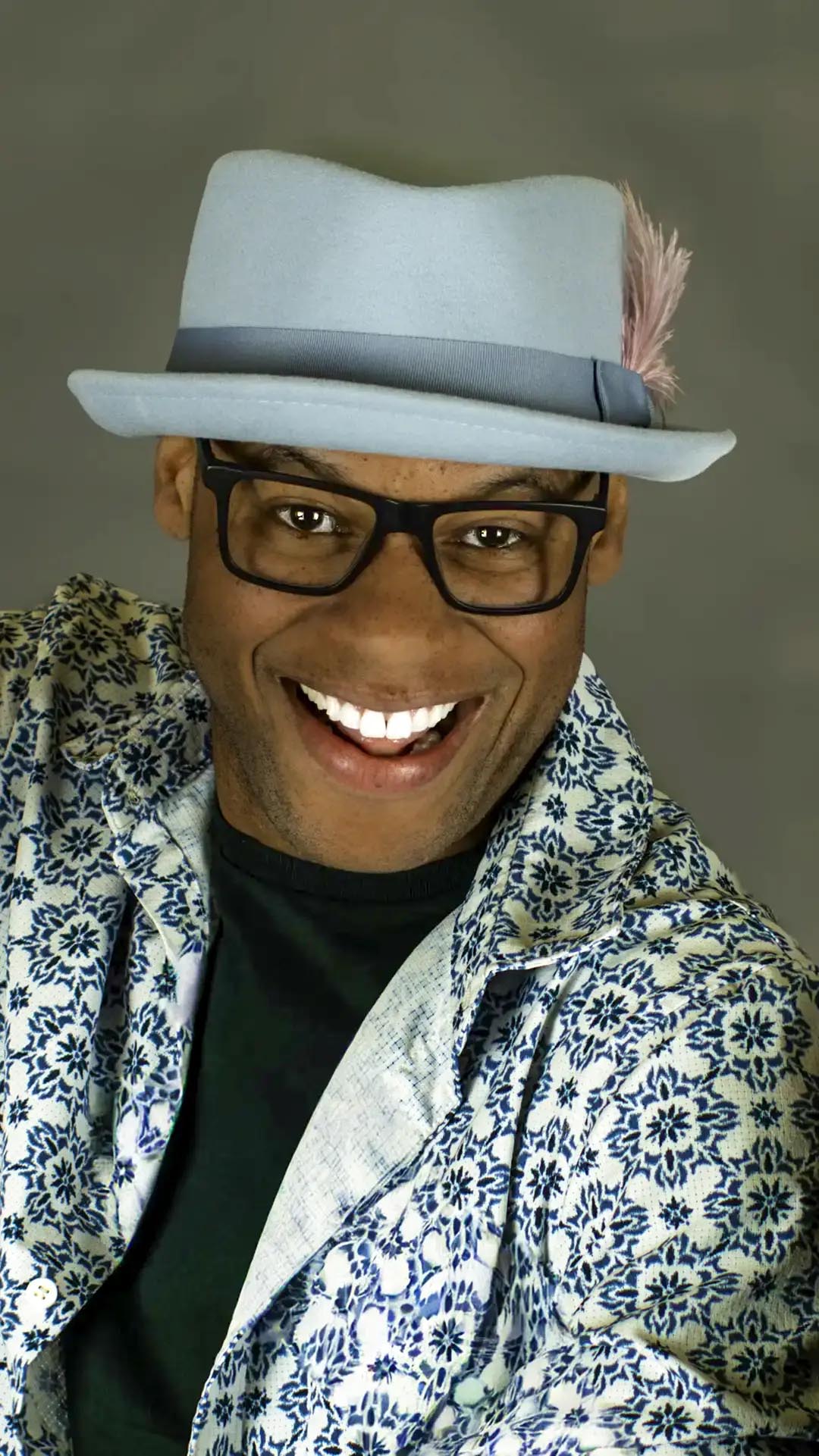
Strong portrait decisions begin before equipment is arranged. Planning a Portrait Session from Start to Finish is not a search for one universal formula. It is a framework for learning how to connect consultation, wardrobe, location, light, equipment, shot planning, workflow, and client experience.
Estimated reading time: 13 minutes
Begin With the Portrait’s Job
Next, describe what should remain visually quiet. This prevents every available element from competing for importance. Decide what the viewer should notice first, second, and third. That hierarchy becomes the test for every choice about portrait session planning.
The Essential Decisions
Consultation
Learn the purpose, audience, deliverables, concerns, preferences, schedule, and decision-makers. Translate vague adjectives into observable choices.
For Planning a Portrait Session from Start to Finish, the planning test is concrete: planning, technique, common decisions, practical examples, and final image use. This turns a broad recommendation into a decision that can be checked before production and evaluated in the delivered photographs.
FSTOP's cinematic realism supports Planning a Portrait Session from Start to Finish by keeping attention on human presence while the method stays useful. In practice, planning, technique, common decisions, practical examples, and final image use. Atmosphere earns its place only when it clarifies the person, product, or professional purpose.
Clothing
Wardrobe should support the person, background, crop, and use. Plan fit, color, layers, movement, weather, changes, and backup options.
For Planning a Portrait Session from Start to Finish, the planning test is concrete: planning, technique, common decisions, practical examples, and final image use. This turns a broad recommendation into a decision that can be checked before production and evaluated in the delivered photographs.
Portland weather affects Planning a Portrait Session from Start to Finish through more than rain. The working plan should planning, technique, common decisions, practical examples, and final image use. Confirm current daylight, access, ground conditions, and the decision-maker for any timing or location change before the session.
Location
Evaluate meaning, access, privacy, permits, weather, sound, walking distance, restrooms, power, light direction, and visual alternatives.
For Planning a Portrait Session from Start to Finish, the planning test is concrete: planning, technique, common decisions, practical examples, and final image use. This turns a broad recommendation into a decision that can be checked before production and evaluated in the delivered photographs.
FSTOP's cinematic realism supports Planning a Portrait Session from Start to Finish by keeping attention on human presence while the method stays useful. In practice, planning, technique, common decisions, practical examples, and final image use. Atmosphere earns its place only when it clarifies the person, product, or professional purpose.
Lighting
Plan a primary natural or flash approach plus a simpler fallback. Match contrast and color to the intended portrait rather than the gear available.
For Planning a Portrait Session from Start to Finish, the planning test is concrete: planning, technique, common decisions, practical examples, and final image use. This turns a broad recommendation into a decision that can be checked before production and evaluated in the delivered photographs.
Portland weather affects Planning a Portrait Session from Start to Finish through more than rain. The working plan should planning, technique, common decisions, practical examples, and final image use. Confirm current daylight, access, ground conditions, and the decision-maker for any timing or location change before the session.
Equipment
Bring the smallest reliable kit that completes the shot list, then add tested backup paths for power, cards, triggers, cables, and weather.
For Planning a Portrait Session from Start to Finish, the planning test is concrete: planning, technique, common decisions, practical examples, and final image use. This turns a broad recommendation into a decision that can be checked before production and evaluated in the delivered photographs.
FSTOP's cinematic realism supports Planning a Portrait Session from Start to Finish by keeping attention on human presence while the method stays useful. In practice, planning, technique, common decisions, practical examples, and final image use. Atmosphere earns its place only when it clarifies the person, product, or professional purpose.
Workflow and Experience
Arrival, communication, tethering, review, pacing, selections, delivery, and follow-up should feel like one coherent service rather than disconnected technical steps.
For Planning a Portrait Session from Start to Finish, the planning test is concrete: planning, technique, common decisions, practical examples, and final image use. This turns a broad recommendation into a decision that can be checked before production and evaluated in the delivered photographs.
Portland weather affects Planning a Portrait Session from Start to Finish through more than rain. The working plan should planning, technique, common decisions, practical examples, and final image use. Confirm current daylight, access, ground conditions, and the decision-maker for any timing or location change before the session.
A Repeatable Decision Workflow
Choose One Priority
Select the single relationship that most affects the portrait. It may be consultation, clothing, or location. State the intended change in plain language. “Make the face separate more clearly without losing the room” is more useful than “make it professional.”
Real-World Portrait Examples
A senior portrait across two locations
Start by stating what the photograph must communicate and what the viewer needs to understand. Establish camera position and background before refining equipment. Then make one frame that uses the simplest workable interpretation of portrait session planning.
For the second frame, change the relevant relationship deliberately: consultation. Compare expression, hierarchy, depth, and environmental clarity. Keep the version that makes the person more present and the story more specific, even when the rejected version appears more technically dramatic.
A branding session with multiple wardrobe changes
Start by stating what the photograph must communicate and what the viewer needs to understand. Establish camera position and background before refining equipment. Then make one frame that uses the simplest workable interpretation of portrait session planning.
For the second frame, change the relevant relationship deliberately: clothing. Compare expression, hierarchy, depth, and environmental clarity. Keep the version that makes the person more present and the story more specific, even when the rejected version appears more technically dramatic.
A studio headshot day
Start by stating what the photograph must communicate and what the viewer needs to understand. Establish camera position and background before refining equipment. Then make one frame that uses the simplest workable interpretation of portrait session planning.
For the second frame, change the relevant relationship deliberately: location. Compare expression, hierarchy, depth, and environmental clarity. Keep the version that makes the person more present and the story more specific, even when the rejected version appears more technically dramatic.
An outdoor family portrait with a rain fallback
Start by stating what the photograph must communicate and what the viewer needs to understand. Establish camera position and background before refining equipment. Then make one frame that uses the simplest workable interpretation of portrait session planning.
For the second frame, change the relevant relationship deliberately: lighting. Compare expression, hierarchy, depth, and environmental clarity. Keep the version that makes the person more present and the story more specific, even when the rejected version appears more technically dramatic.
How This Decision Connects to the Education Library
No portrait decision exists alone. How Tethered Shooting Improves Portrait Sessions expands the first relationship, while Choosing the Best Background for Portrait Photography explains a closely connected technical choice. Continue with How to Read Light Before Setting Up Flash for narrative context and Why Great Portraits Are Made Before the Camera Comes Out for a practical companion workflow.
These links are not a checklist that every portrait must use. Follow the branch that solves the current problem. The library is designed to help photographers move from intention to observation, then to the smallest effective technical response.
Common Mistakes
Planning images before understanding their use: This usually happens when a familiar technique replaces observation. Return to the baseline, name the actual problem, and make one measurable adjustment.
Building an unrealistic shot list: This usually happens when a familiar technique replaces observation. Return to the baseline, name the actual problem, and make one measurable adjustment.
Ignoring travel and change time: This usually happens when a familiar technique replaces observation. Return to the baseline, name the actual problem, and make one measurable adjustment.
Bringing equipment without a fallback: This usually happens when a familiar technique replaces observation. Return to the baseline, name the actual problem, and make one measurable adjustment.
Letting client review interrupt every frame: This usually happens when a familiar technique replaces observation. Return to the baseline, name the actual problem, and make one measurable adjustment.
Failing to define delivery and selection expectations: This usually happens when a familiar technique replaces observation. Return to the baseline, name the actual problem, and make one measurable adjustment.
Other mistakes include changing the setup faster than the subject can adapt, judging only the camera display, ignoring safety or accessibility, and keeping a visually impressive frame that fails its intended use. A consistent process makes those errors visible before delivery.
Practice Exercise
Choose one cooperative subject and one location. Make a neutral baseline, then create three intentional variations using consultation, clothing, location. Keep camera settings and expression as consistent as practical.
Repeat the exercise in a different environment. The goal is not to reproduce the first result; it is to recognize how the same principle behaves when subject, background, available light, and working distance change.
Frequently Asked Questions
What should photographers decide first about portrait session planning?
Begin with the portrait’s purpose, audience, emotional direction, and required use. Then evaluate consultation and clothing in that context. A technical choice is useful only when it strengthens those priorities.
How does consultation affect the final portrait?
Learn the purpose, audience, deliverables, concerns, preferences, schedule, and decision-makers. Translate vague adjectives into observable choices. Make a controlled comparison while holding camera position, expression, and exposure as steady as possible. The difference should be judged by meaning and visual hierarchy, not novelty.
Why is clothing important?
Wardrobe should support the person, background, crop, and use. Plan fit, color, layers, movement, weather, changes, and backup options. Ask what the viewer notices first, what remains understandable at thumbnail size, and whether the choice still supports the person rather than drawing attention to technique.
How should beginners practice portrait session planning?
Use one person, one location, and one variable at a time. Photograph a baseline, change only location, record the reason, and compare results later. Repetition builds judgment faster than changing an entire setup after every frame.
Does expensive equipment improve portrait session planning?
Equipment can expand options, speed, or reliability, but it cannot define the portrait’s purpose. Learn to recognize lighting with a simple kit before adding tools that create more decisions and failure points.
How can I tell when the setup is too complicated?
Complexity is excessive when a tool or step has no distinct job visible in the final image, slows communication, creates safety risk, or makes the result harder to repeat. Remove one element and compare.
Should every portrait use the same approach?
No. A headshot, editorial portrait, family photograph, branding image, and environmental story have different audiences and emotional needs. Consistency should come from clear judgment, not identical technique.
How do I evaluate equipment during a session?
Bring the smallest reliable kit that completes the shot list, then add tested backup paths for power, cards, triggers, cables, and weather. Pause after a short sequence, review representative frames, and translate the observation into one specific adjustment. Avoid allowing constant review to interrupt expression.
What is the most common mistake with portrait session planning?
The common mistake is making the technical decision before defining the story. planning images before understanding their use is one example. Establish the subject, purpose, and environment first, then choose the simplest method that completes them.
How does workflow and experience support client experience?
Arrival, communication, tethering, review, pacing, selections, delivery, and follow-up should feel like one coherent service rather than disconnected technical steps. Explain the purpose of the decision in plain language, keep the session moving, and invite feedback only where the client has useful authority or personal knowledge.
How do I know when the portrait is finished?
The portrait is complete when expression, light, composition, environment, and technical quality support the intended use without an unresolved distraction. More frames or equipment do not automatically add meaning.
Make the Decision Serve the Person
The best approach to portrait session planning is the one that supports the portrait’s purpose while preserving human presence. Define the story, observe what already exists, make the smallest useful change, and evaluate both technical quality and emotional meaning.
Explore Portland portrait photography and personal branding photography. Browse the Photography Journal, learn about Shayne Blaylock, or contact Shayne to book a portrait session or ask about one-to-one photography mentoring.